


Intro to Permaculture Goats
Date and Time: March 14, 2026 10 AM -2 PM
Wondering if a goats are the right fit for your family and land? Want to learn to milk dairy goats?
In this hands on class you will learn how to create a regenerative goat system, the how and why of rotationally grazing, the basics of hand milking dairy goats and then get some hands on experience milking and processing milk.
Topics we will cover
- How to raise goats all naturally
- Milking, shelter, and pasture set up
- Handling goats and kids
- Basic first aid and health needs
- Raising goats for meat
- Raw milk processes and safety
- Feed and native plants goats can eat
- Sample: Milk, cheese, yogurt, and soaps
- Q&A to ask all of your question

This intro course fuses an in-depth goat course with the basic ethics and design principles of permaculture. This course is designed to give you the tools and design ideas for starting a regenerative animal system, beyond goats. Much of the knowledge can be applied to chickens, sheep, or cows. Taught by Certified Permaculture Designers and small scale homesteaders, Ashley and Mark Turner of Lotus Ranch. Whether you have acres, or an aspiring backyard garden it can be a struggle as to where to begin to turn it into a thriving connected system that supplies you all that it can, we have done this with goats in the Texas Hill Country. Permaculture gives a great starting point, and can help folks adjust their thinking process about any aspect of their lives with a regenerative framework. Animals help make soil, and are a sustainable partner in the production of garden compost.
This course will provide hands-on experiences of homesteading in central Texas, with a focus on creating food systems for people and small scale regenerative animal farming. There are only 15 spots in this class so we can really get hands on and ask questions.
Location: 525 Fischer TRL, Wimberley, TX
Farm to Table Lunch : At 12 pm we will break for a delicious local farm to table lunch which is included with attendance along with goat milk and product samples during the class.
- Optional overnight accommodations may available at the retreat center please inquire.
Tuition: $45 a person includes a full day of learning, farm to table lunch, goat product samples and take home materials.
**A work-trade discount is available. Email info@lotusranch.org for details.**
Regenerative Permaculture Design Certificate Course
June 7th – 20th, 2026
What is a Permaculture Design Course?
A Permaculture Design Course (PDC) is an internationally recognized, intensive training that teaches the ethics and principles of Permaculture to design sustainable, regenerative systems for food, animals, energy, water, and shelter, empowering individuals to create ecological, resilient, and abundant landscapes and lifestyles, it can be applied to rural, urban, suburban, and community settings. It goes beyond theory with hands-on learning, that focuses on observing nature to create solutions that work with, rather than against, natural systems.
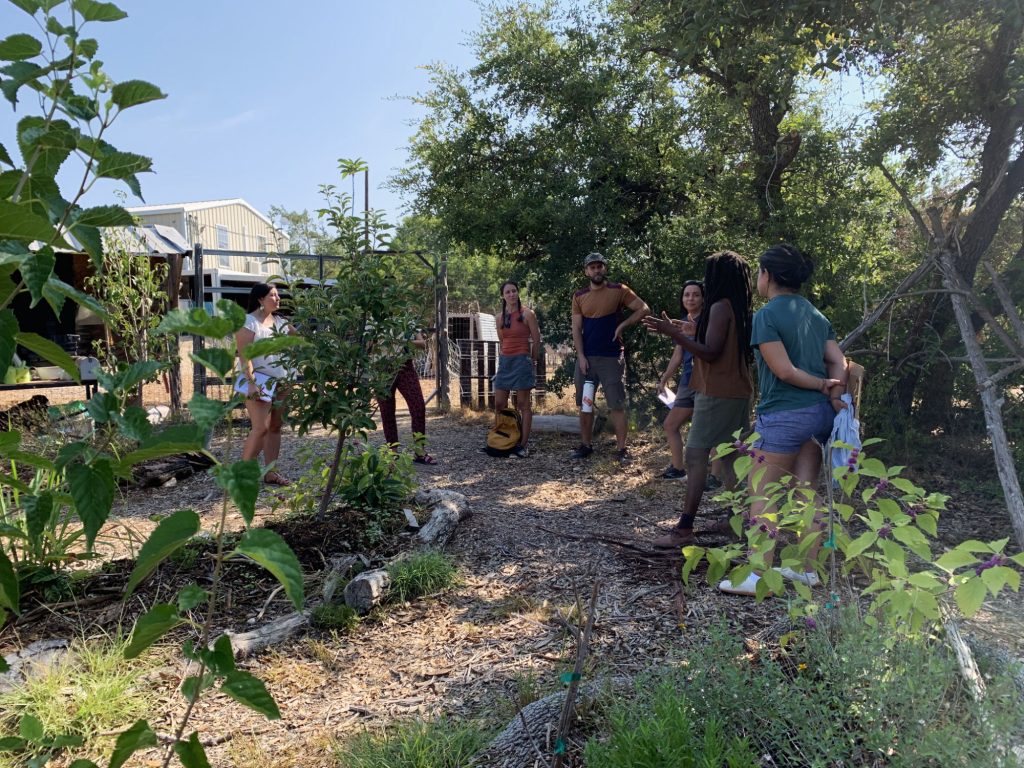
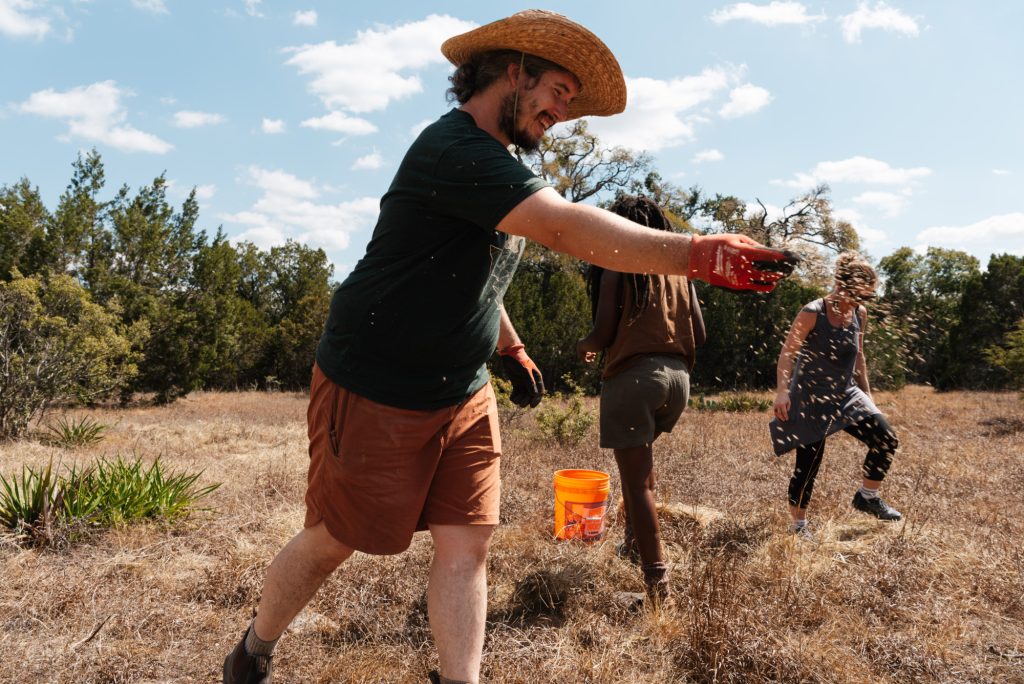
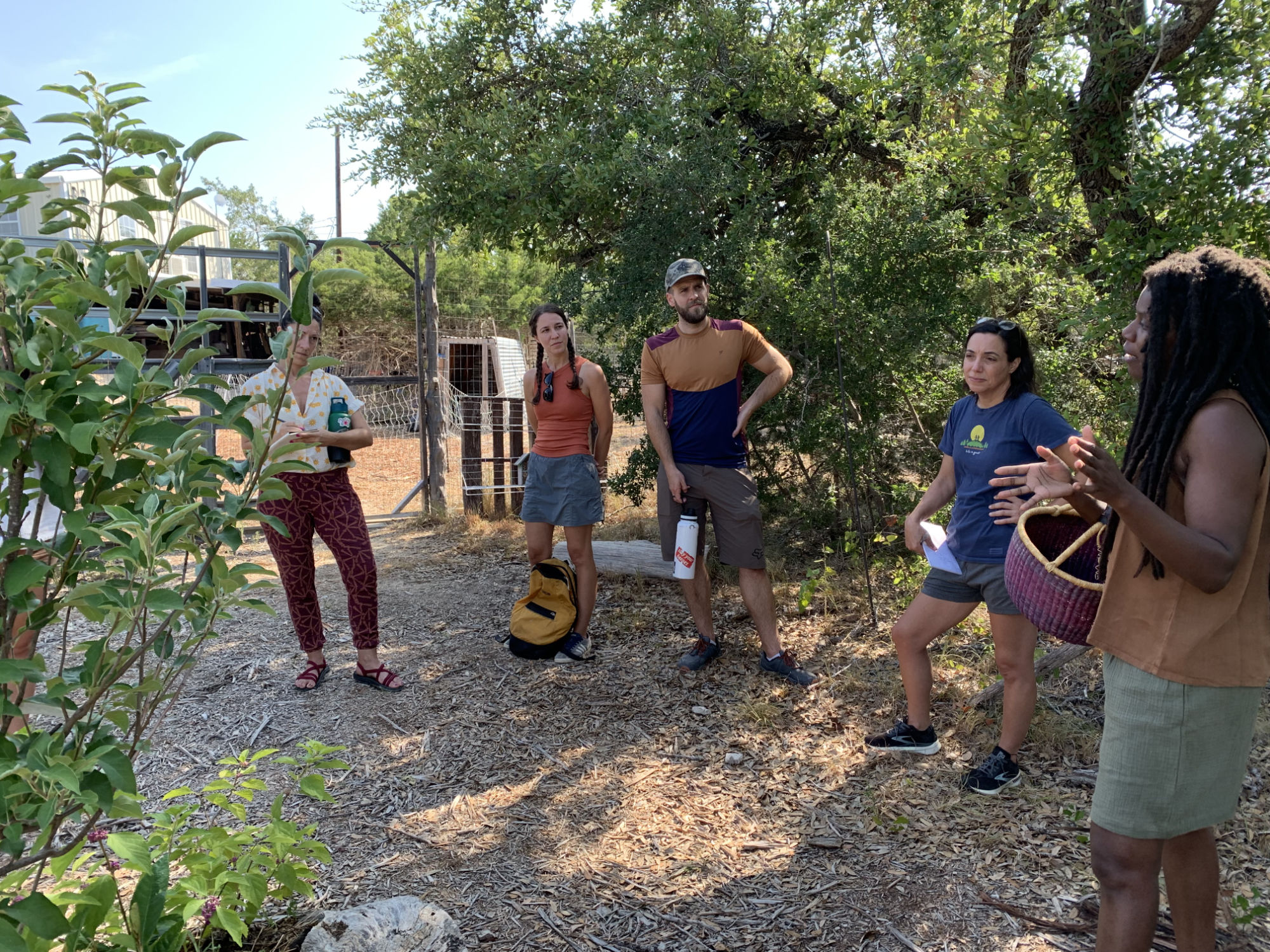
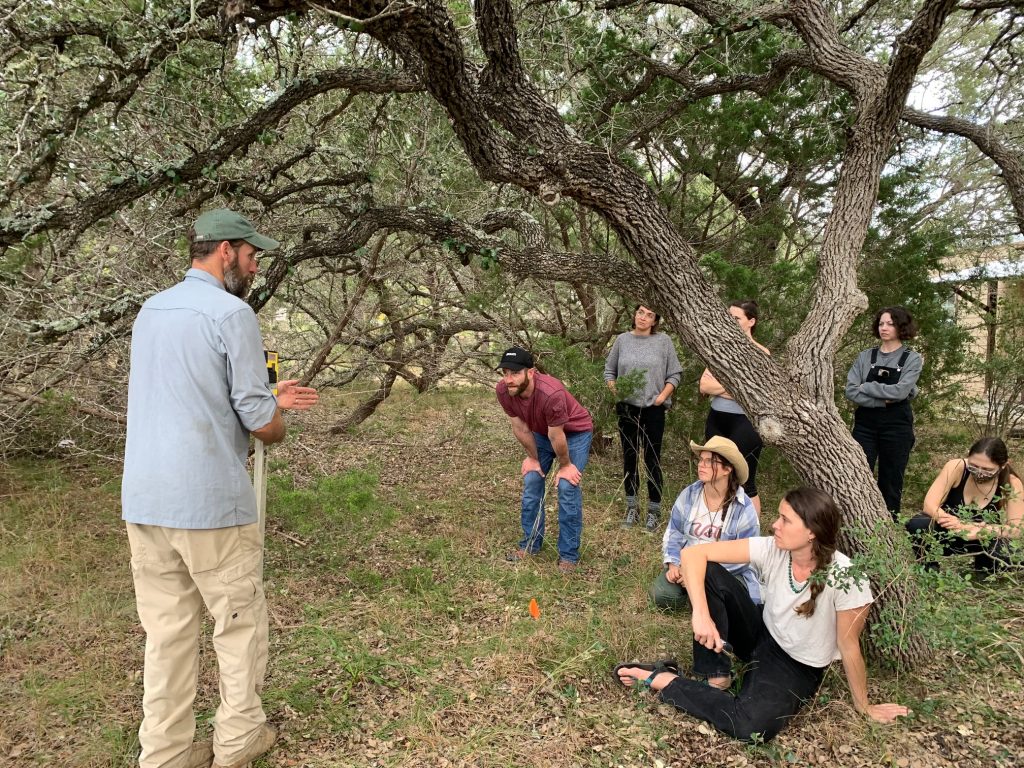
This course will be partially in classroom, other sessions will be hands-on outdoors, where students will experience real life permaculture applications, such as gardening, erosion control, earthworks, and tiny home construction. This course is for urban, suburban, and rural living and design. Our focus is that you able learn a lot of information, but our goal is to change the lens that you see and think about the world. The experience of the Permaculture Design Course will hopefully give each student purpose. Purpose to guide any profession or walk of life, a spark of why, and a reason to be hopeful about how humans can impact the world positively.
This course includes the internationally recognized 72-hour Permaculture Design Course curriculum, with additional hands on practice and field trips. This in person format gives participants the opportunity to build community and connections. The Permaculture Design Course prepares students to design regenerative, sustainable and abundant systems for people and the planet. Students who complete the design course will receive a ‘Permaculture Design Certificate’ which, allows them to use the word ‘permaculture’ in the promotion of their work or business.





What We’ll Cover in The Permaculture Design Course
Introduction to Permaculture Ethics and Principles
Permaculture is a holistic design approach that integrates human needs with ecological systems. It’s applies to more than just garden design; you can use permaculture principles to design energy system, sustainable buildings, jobs, and vibrant communities.
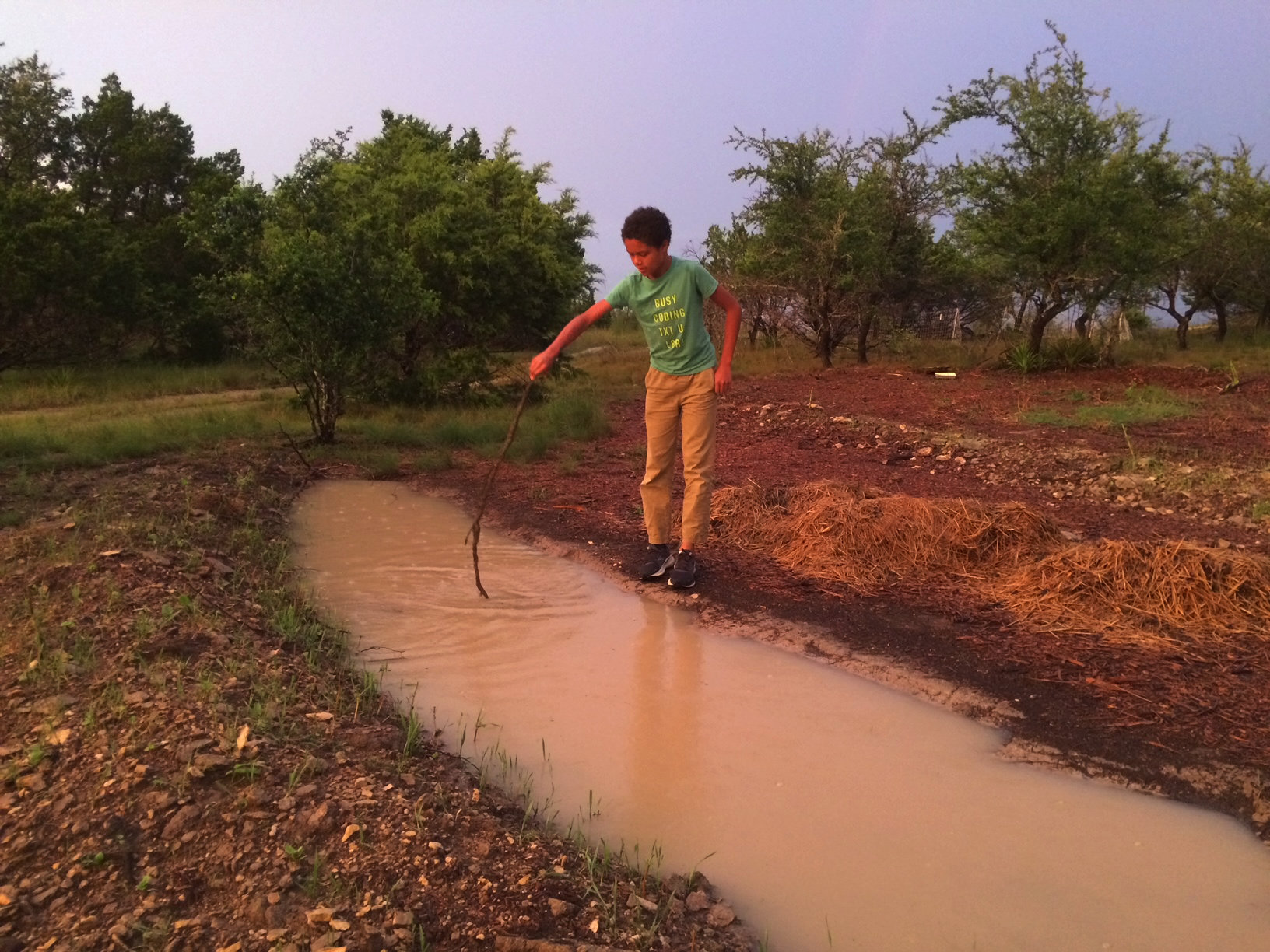
Permaculture Design Methodologies
At the heart of permaculture lies observation and integration. In these lessons, you’ll learn how to design systems that function like ecosystems.
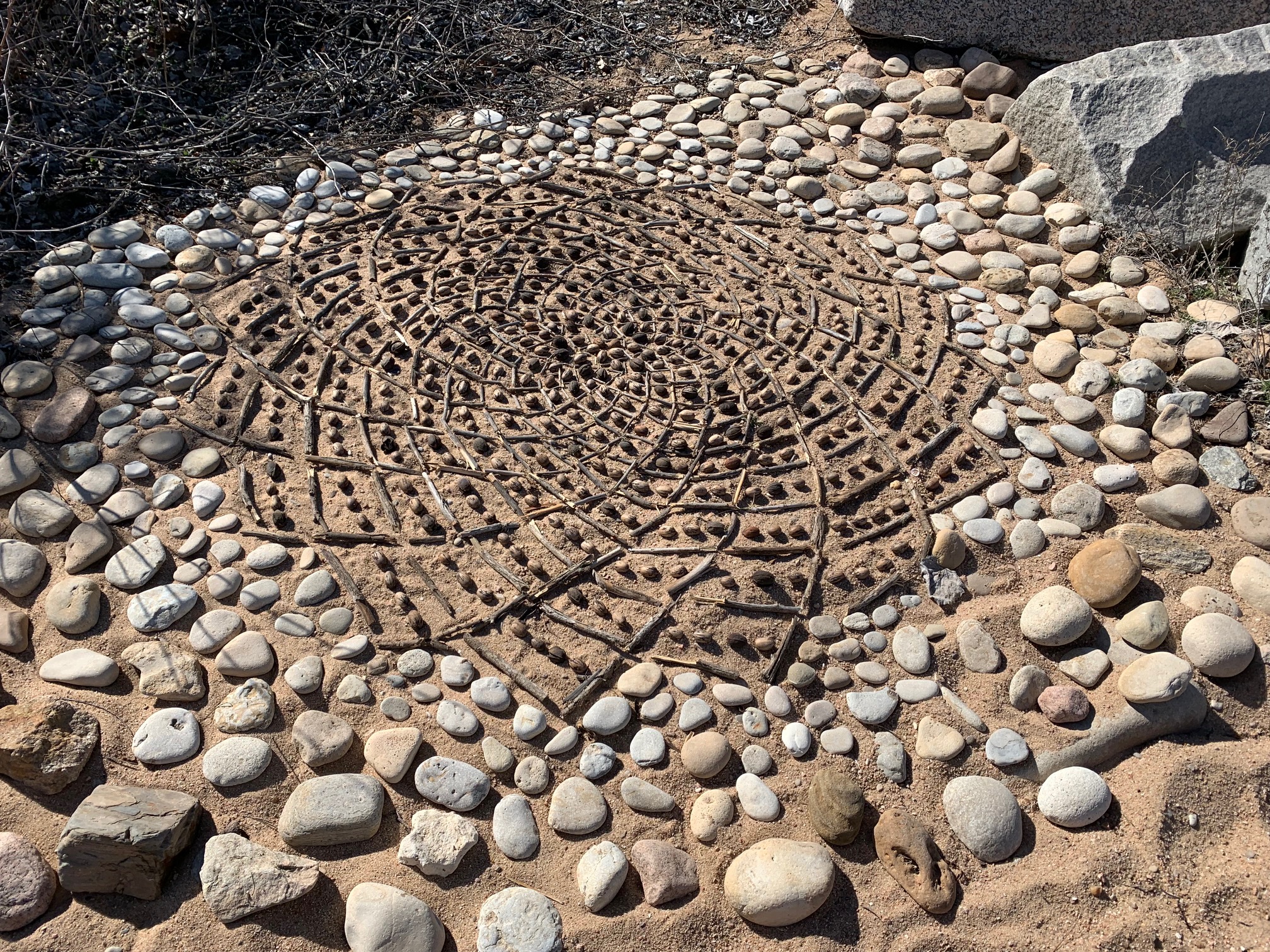
Understanding Natural Patterns
Understanding patterns is a dynamic process of making connections across time and spac. We will explore how life is patterned through ecological functions, how, and why we want to mimic natural patterns in our own design to create resilience.

Understanding Climate Patterns
Gain an understanding about how the climate where you live defines your unique relationship with temperature and moisture. Learn how distinct factors create both climates and microclimates in your backyard and around the world.

Designing for Water
Water is an essential element of life. Learn how to design for water abundance, ecological security, and thriving systems.

Living Soil Systems
Learn how to build living soils that are nutrient-dense, to grow the best disease-resistant healthy plants.

Trees + Their Energy Interactions
Come to understand trees and all of the interactions that play a important role in ecology.
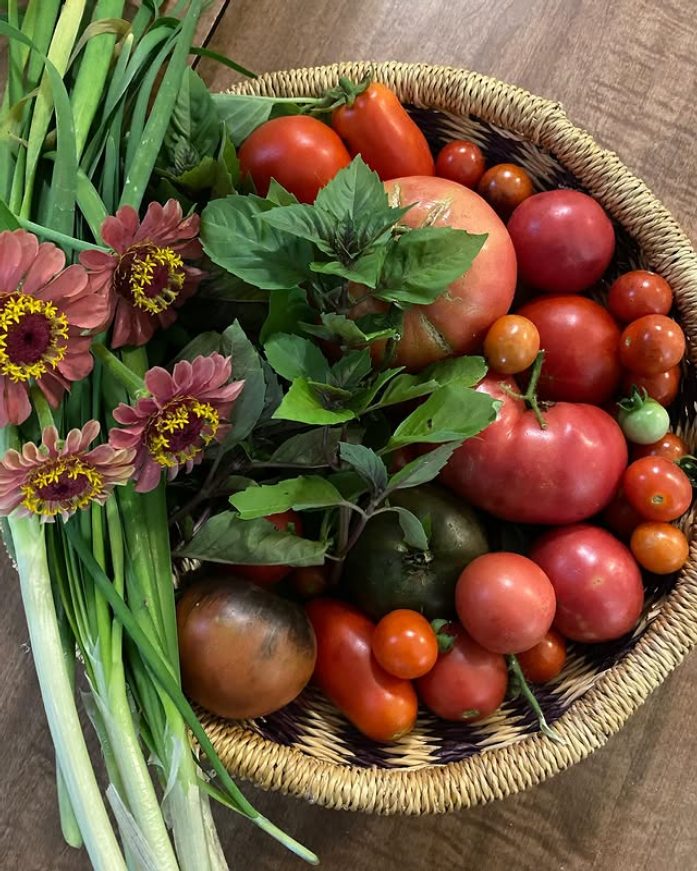
Plant Ecology + Food Systems
We can enhance our gardens and farms by learning about the complex world of plants and all the intricate connections to help us great abundance.

Integrated Animal Systems
Just like plants, animals play essential ecological roles in every ecosystem. Learn how to integrate, manage, and appreciate the role animals can play in permaculture design.
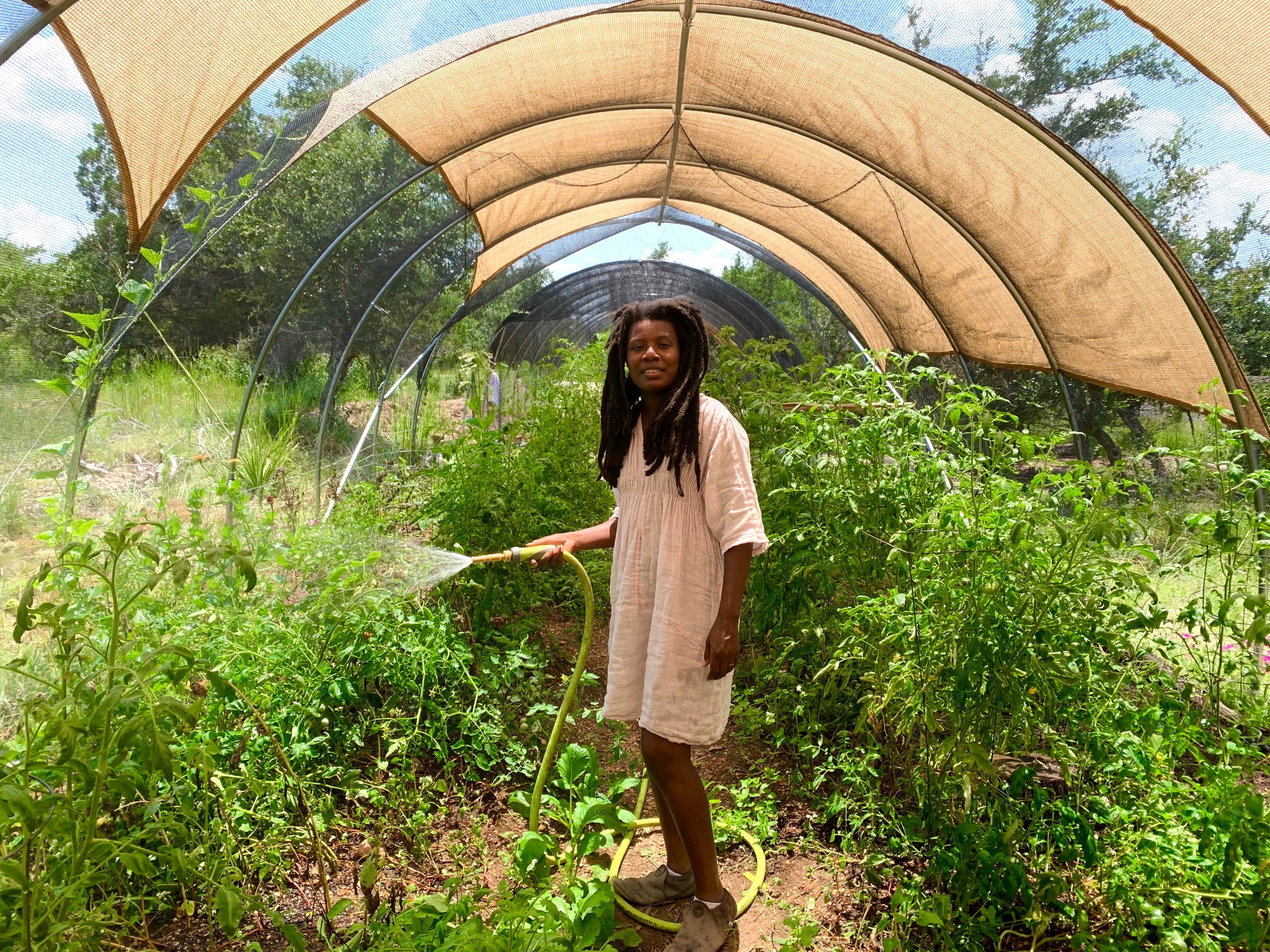
Farm Scale Permaculture
Permaculture can be applied at both the balcony garden and the larger farm scale, creating abundance and diversity for both the dinner plate and ecology.
Bioremediation
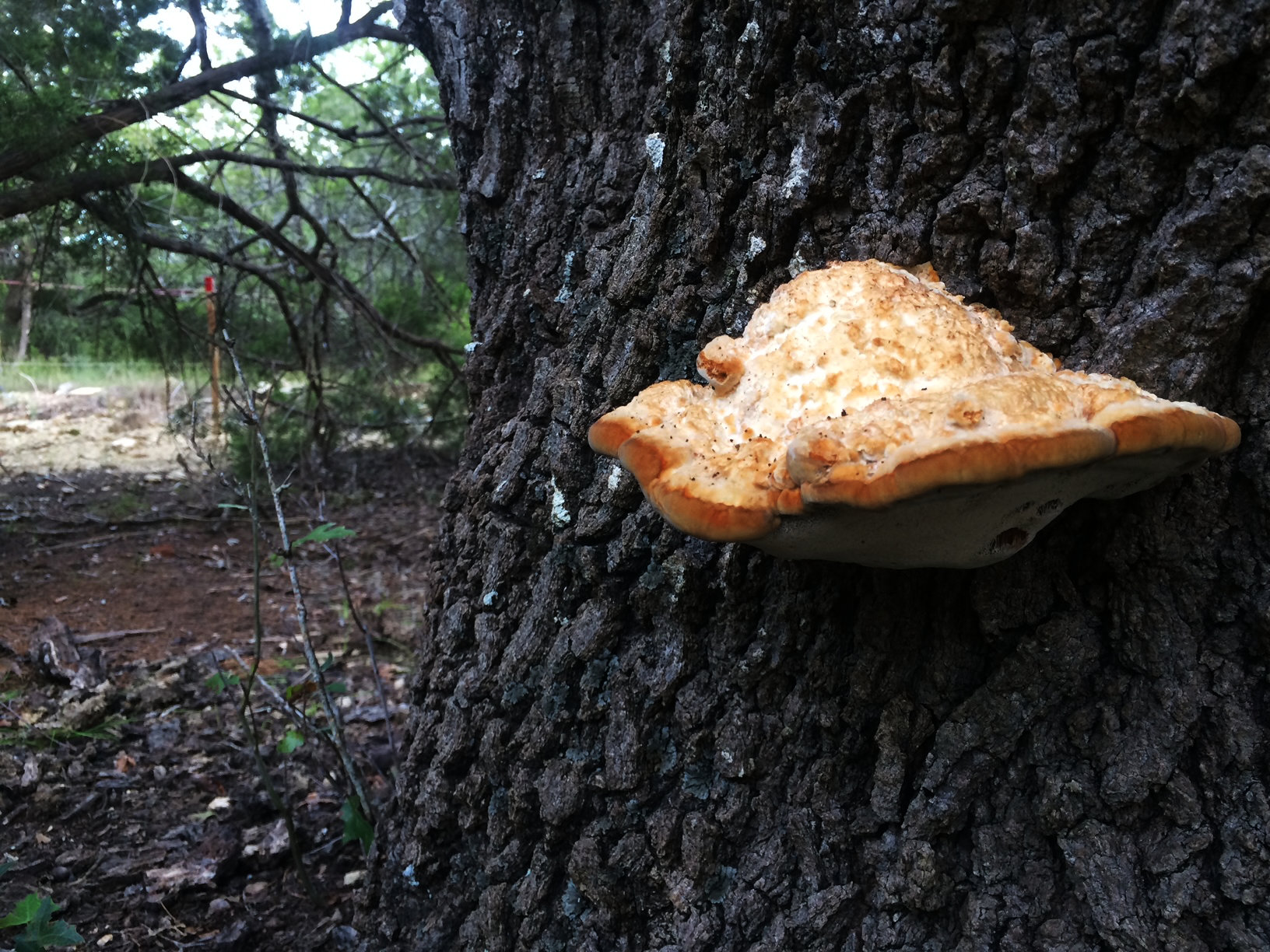
In nature, there is no waste; that idea is a human construct. Explore ways to deal with waste and contamination.

Aquaculture
Aquatic ecosystems are some of the most productive and diverse systems on earth. Explore how to use and integrate aquaculture into your own designs.
Appropriate Technology
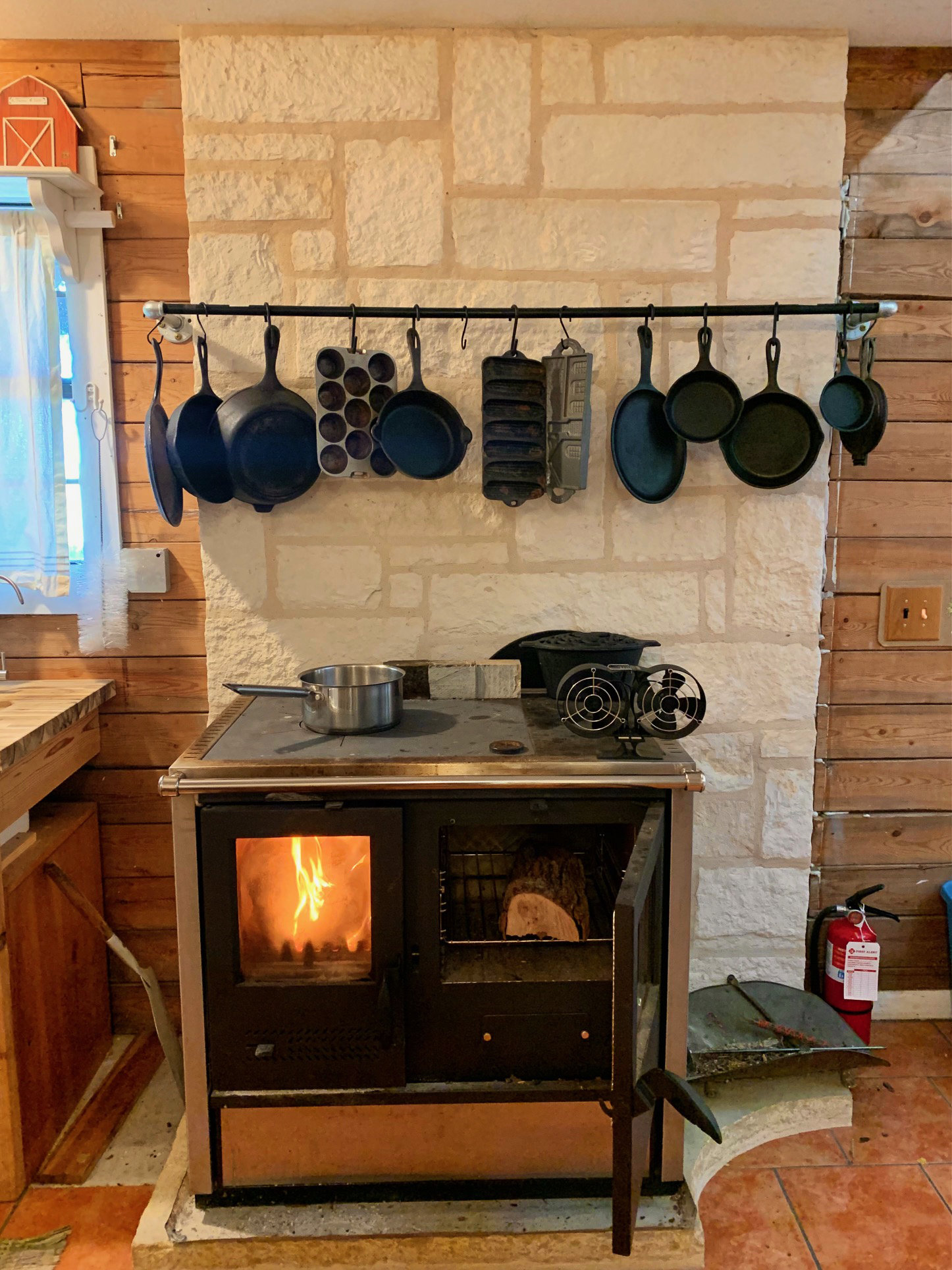
While it may seems the answers are in undiscovered technological complexity, smart devices and ever expanding AI. This is a reminder that we already possess the accessible and simple technologies needed for sustainable and regenerative practices that support our needs, local economies, and communities.

The Built Environment
Permaculture can also be applied to the built environment to create sustainable buildings and communities that are resource-efficient, and apply permaculutre principals for the buildings water management, energy use, and construction materials.
Social Permaculture
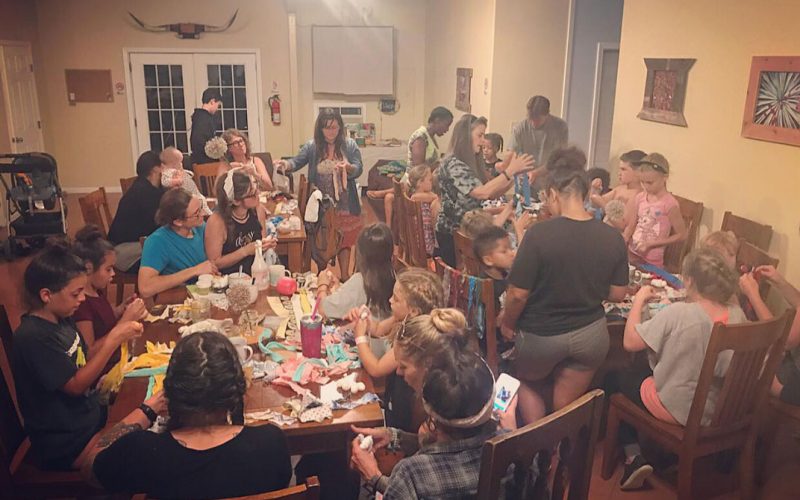
While land design is often the spotlight in permaculture , the people and social elements are also, if not more, important. How can we live and design for people and social aspects in life to be in harmony.
Financial + Economic Permaculture
In environmental sustainability many view our economic and financial systems as the main contributors to the problems of the world. While this may hold some truth, permaculutre show us creative ways to work within existing systems to transform them into regenerative models that meet our needs while improving the planet.
Learning on a Permaculture Homestead
Wimberley, TX
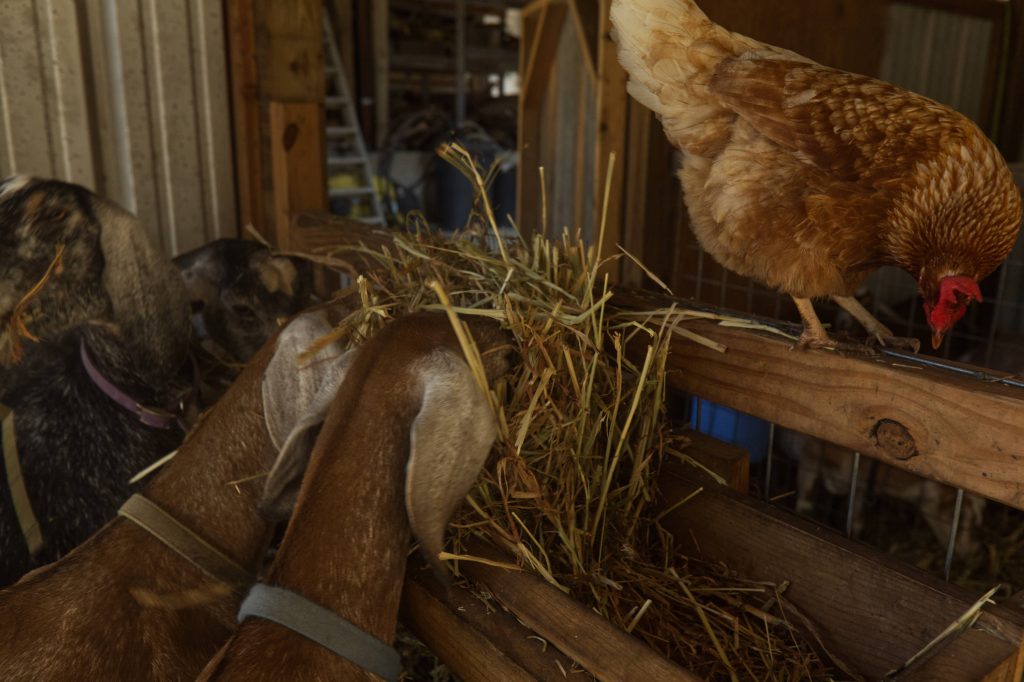
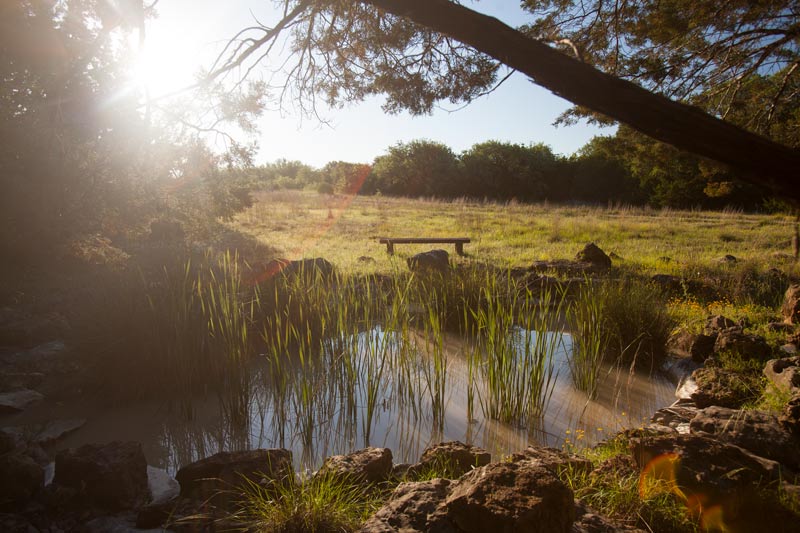
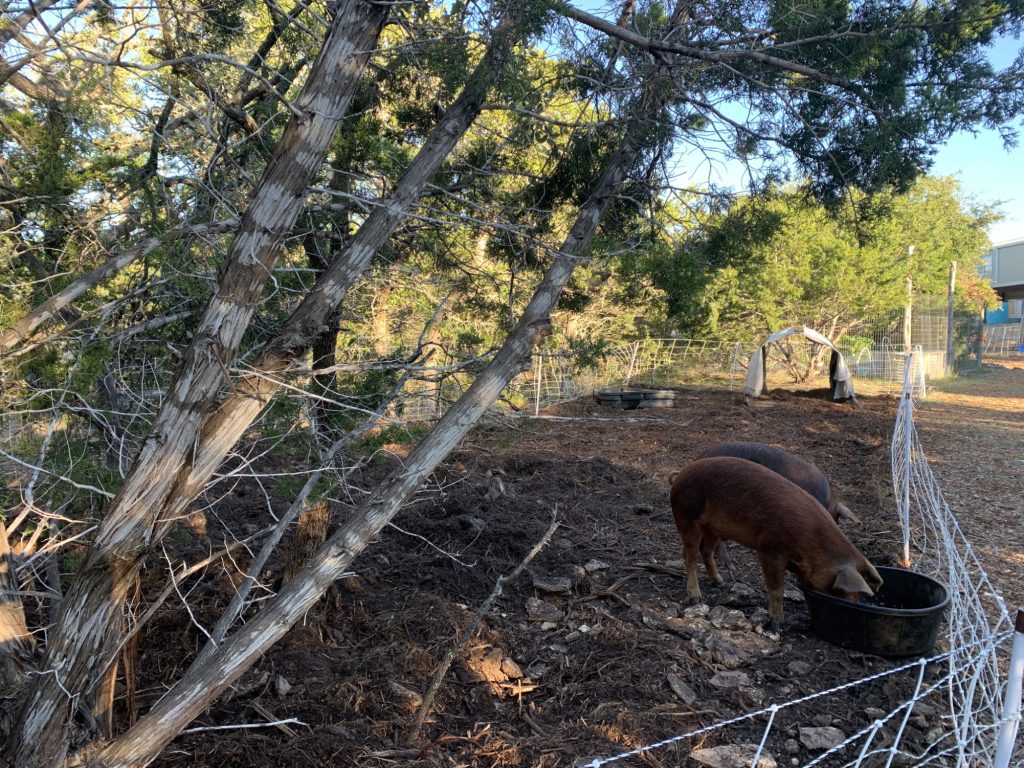
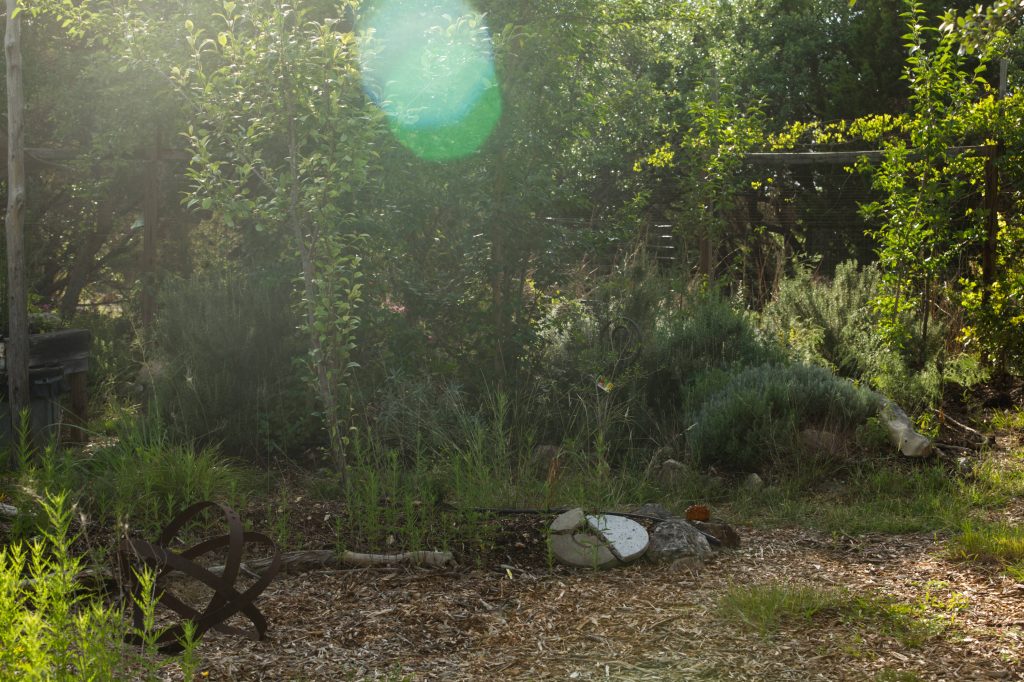
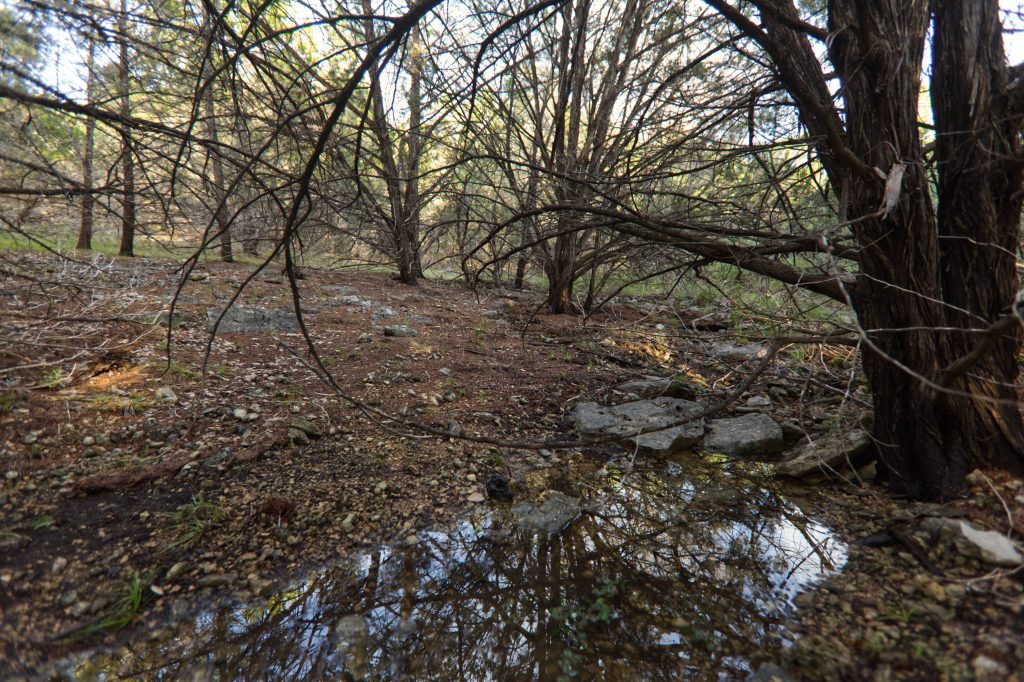
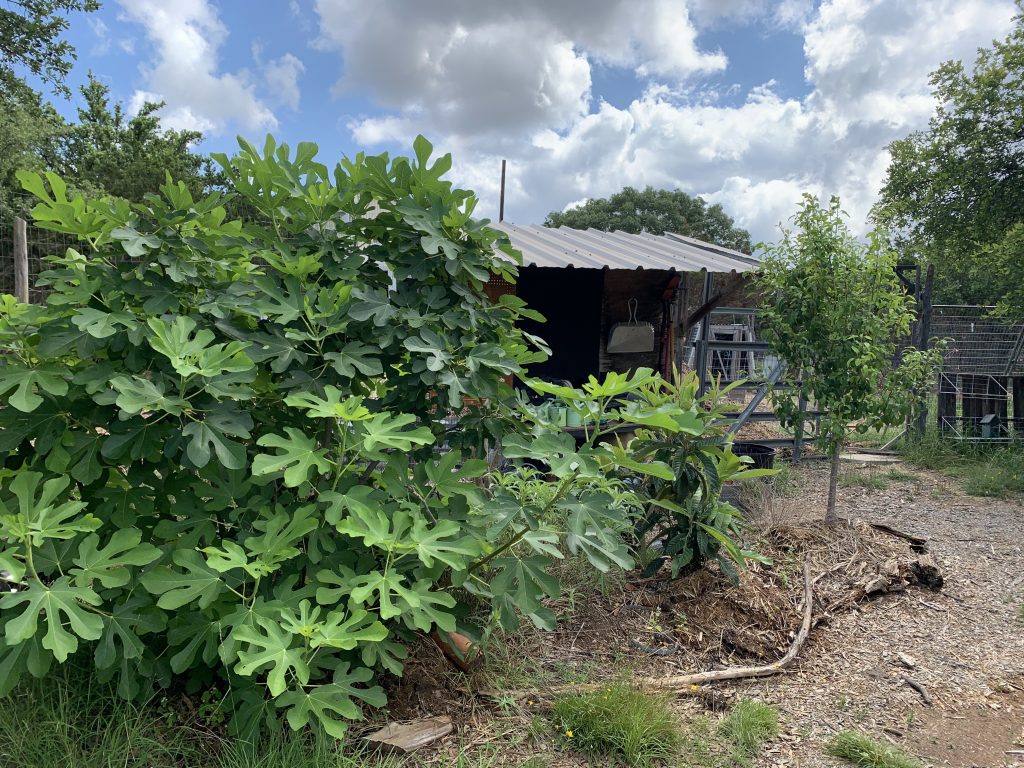
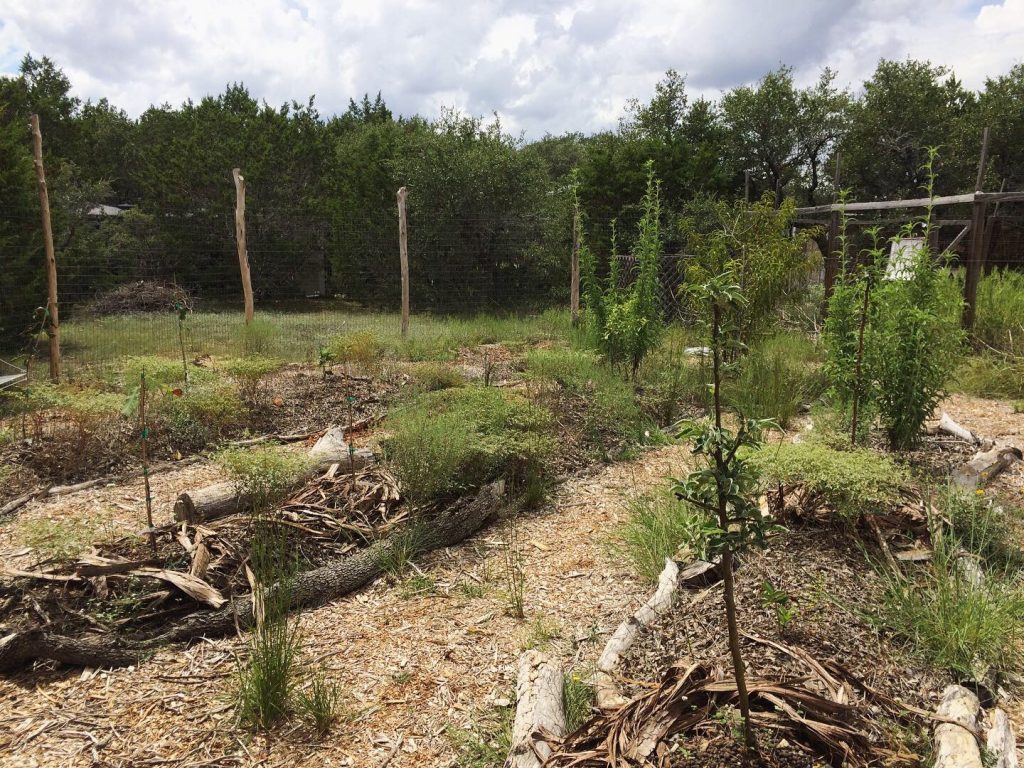
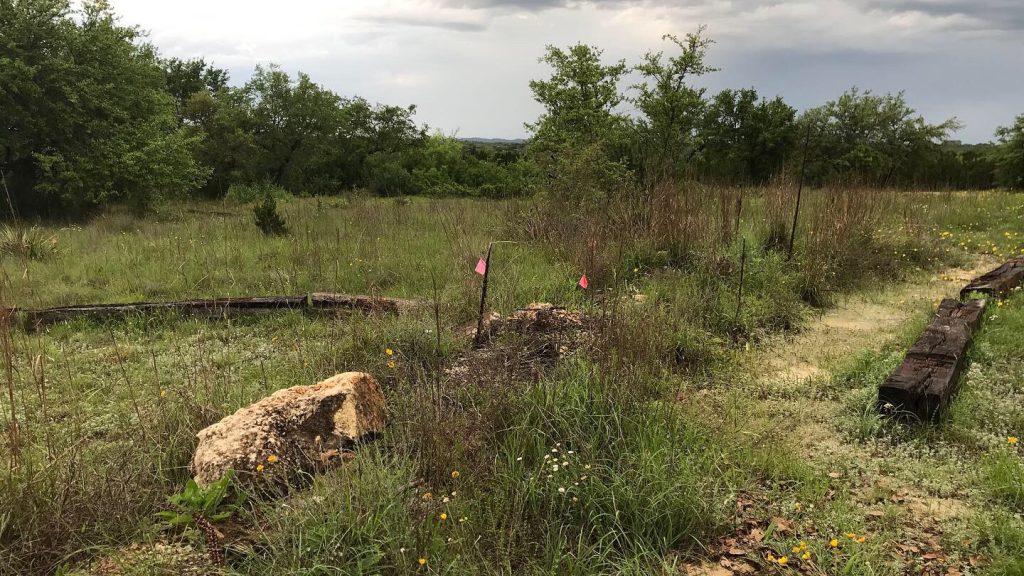
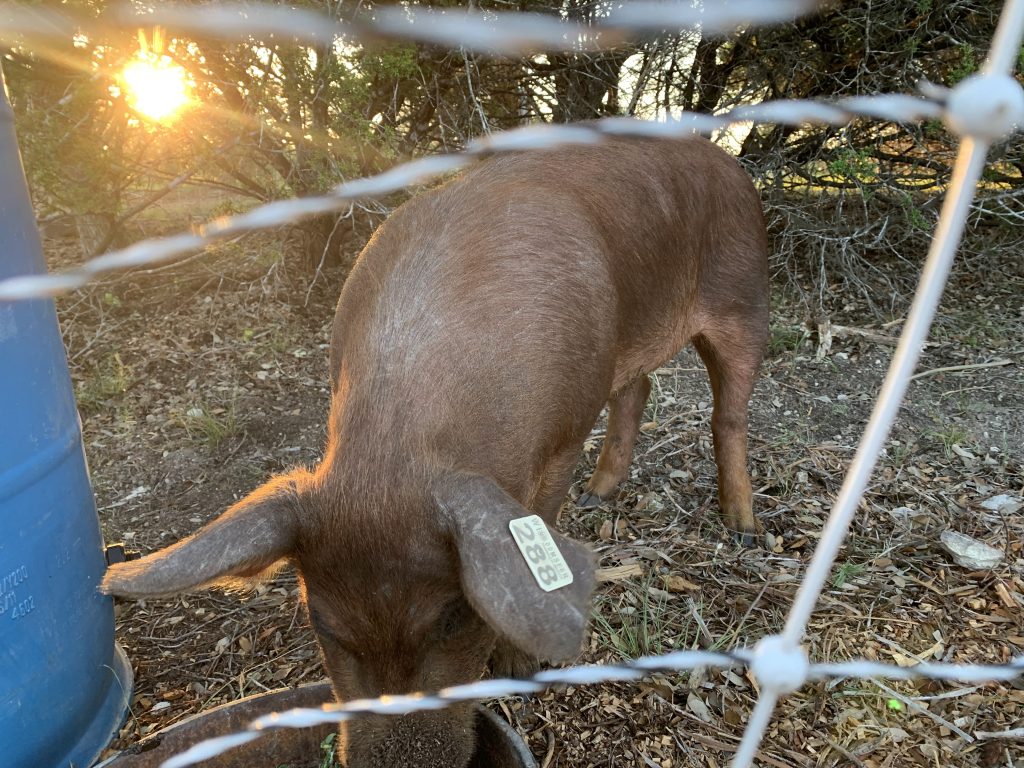
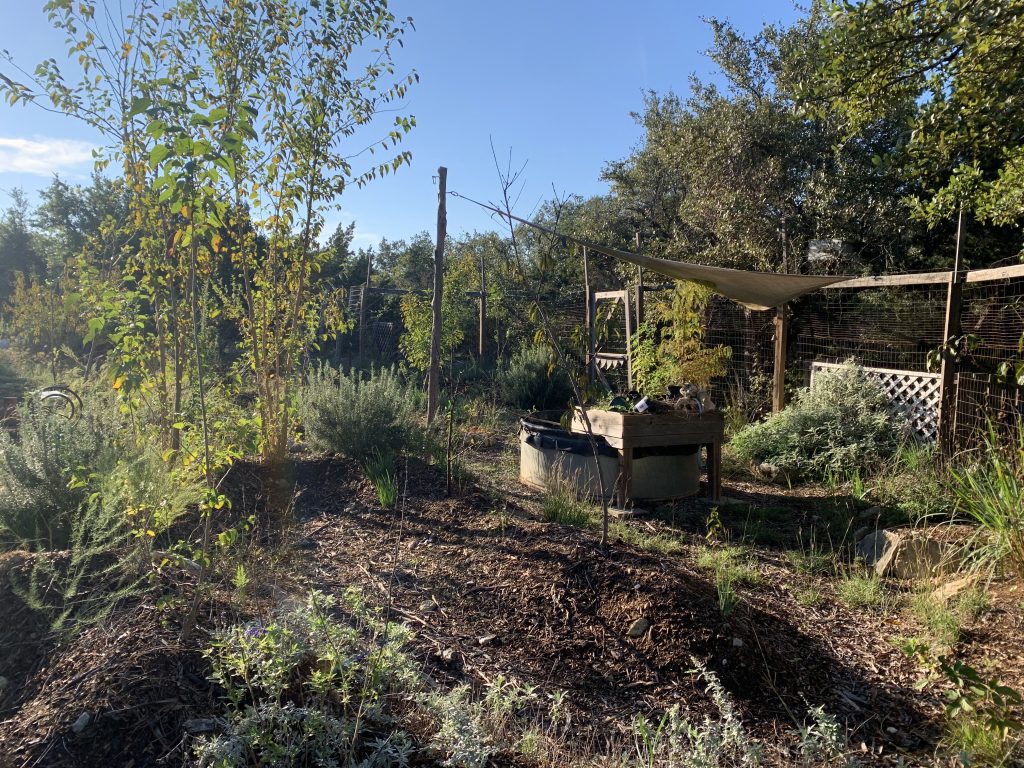
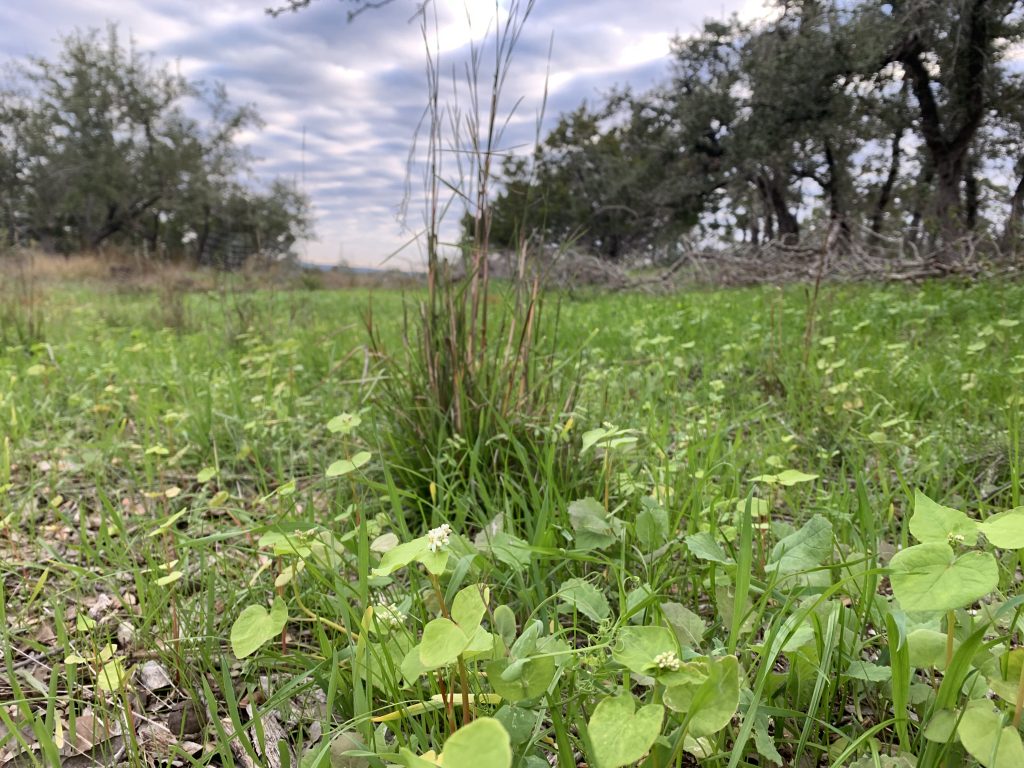
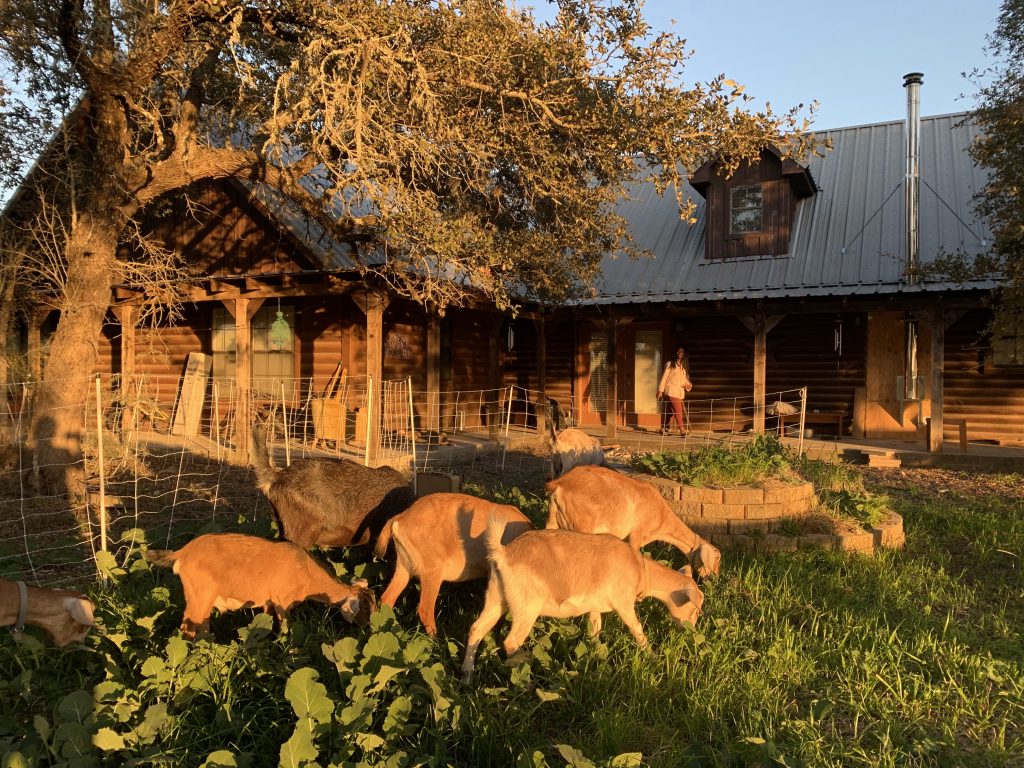
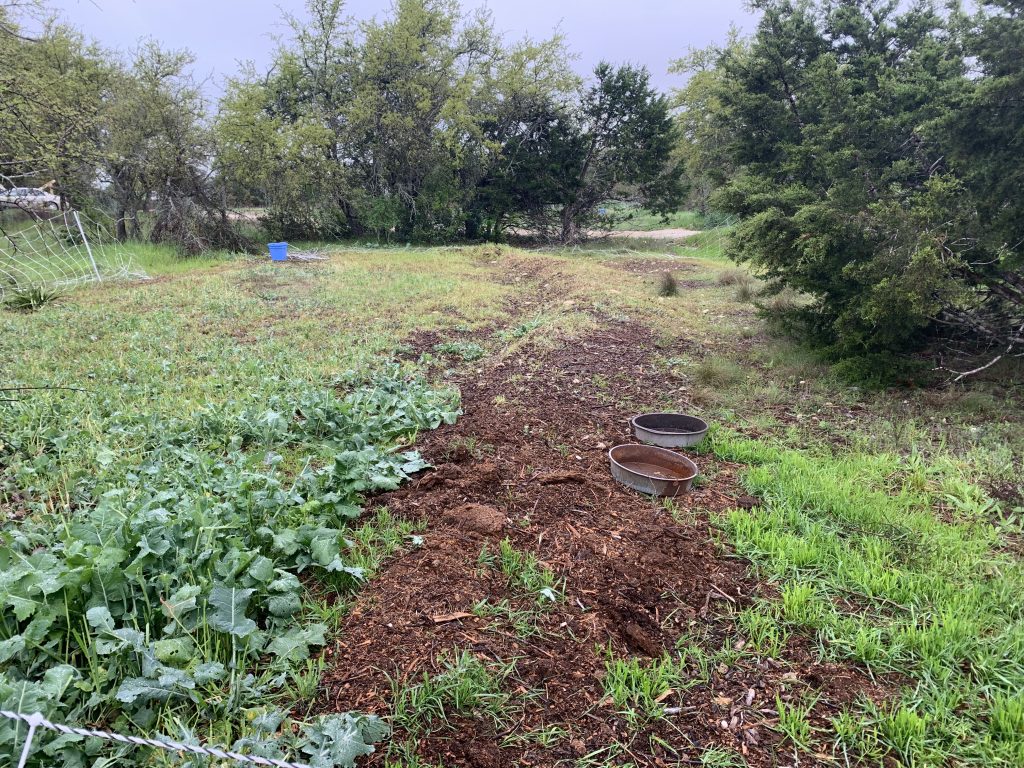
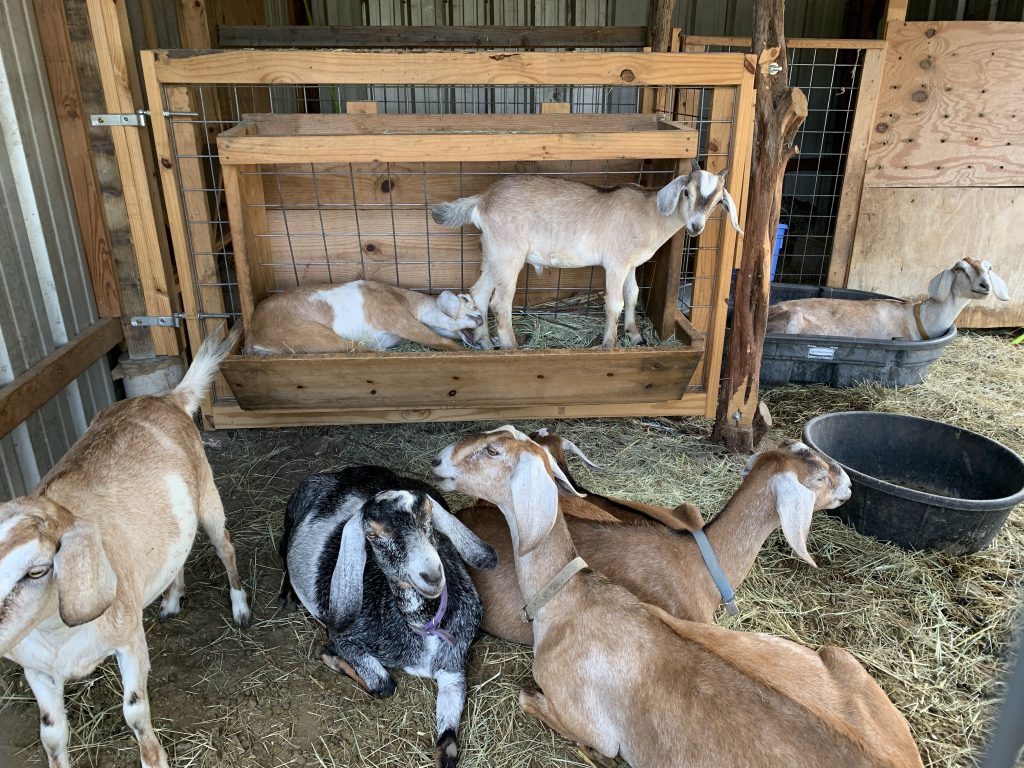
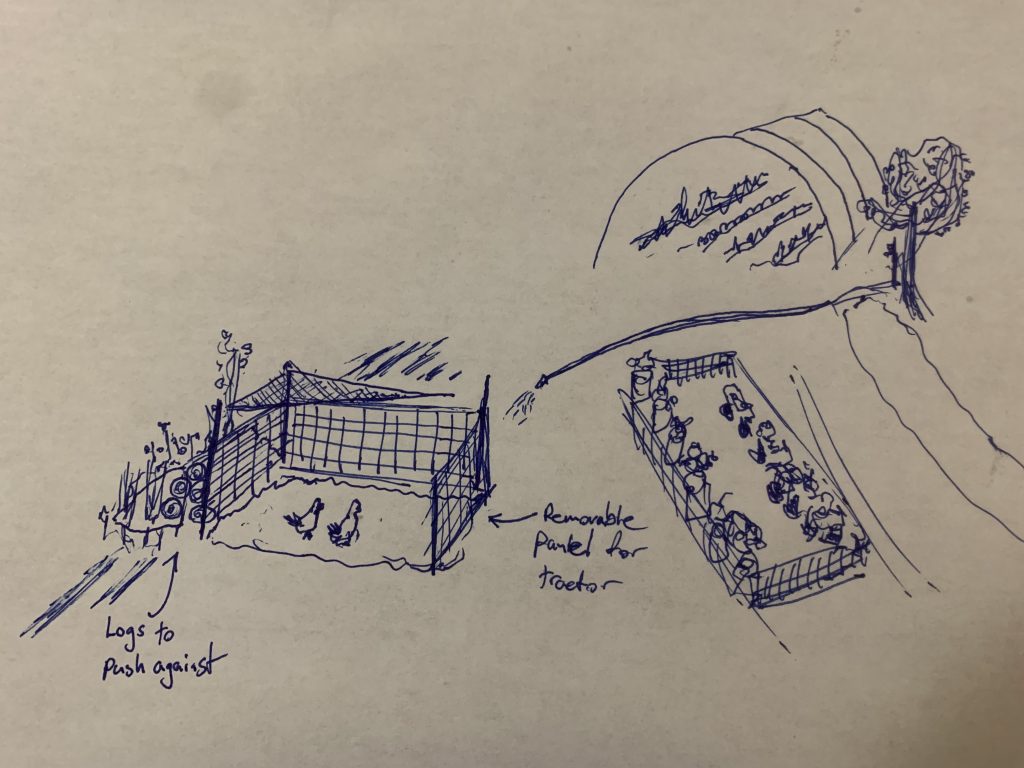
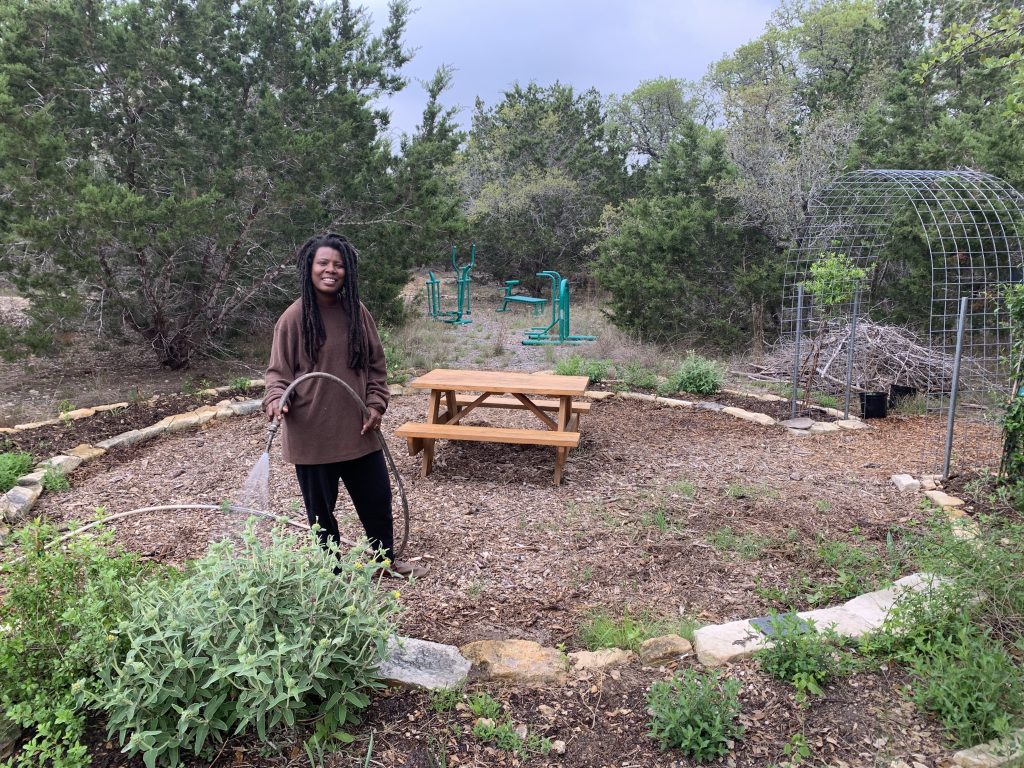
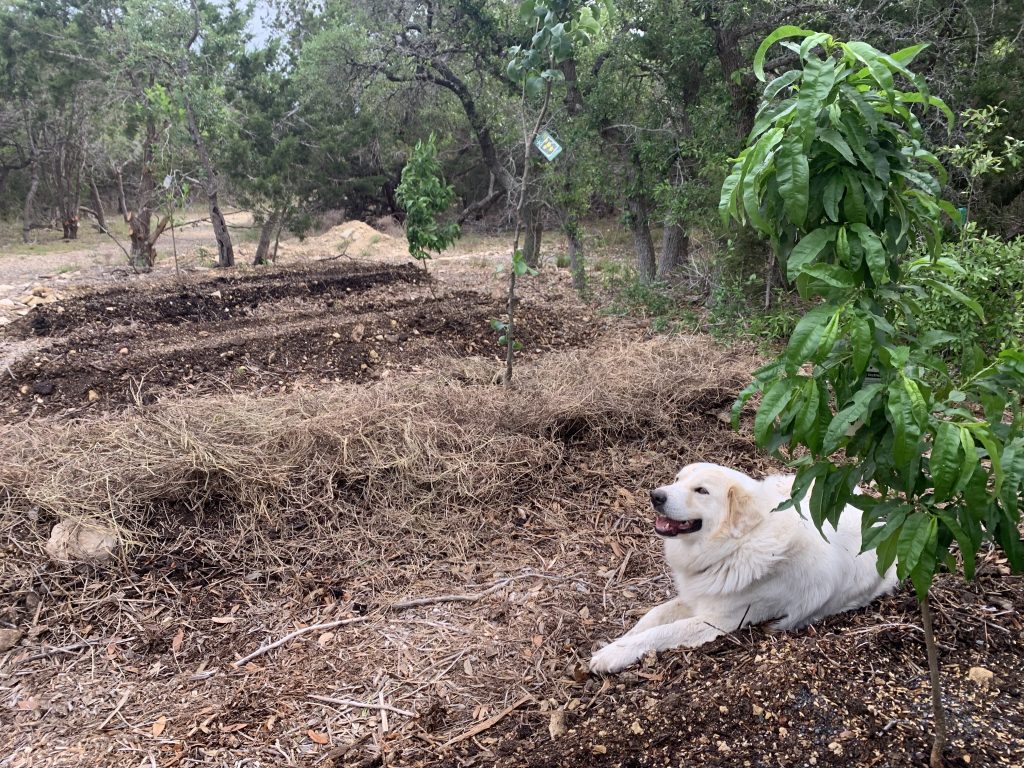
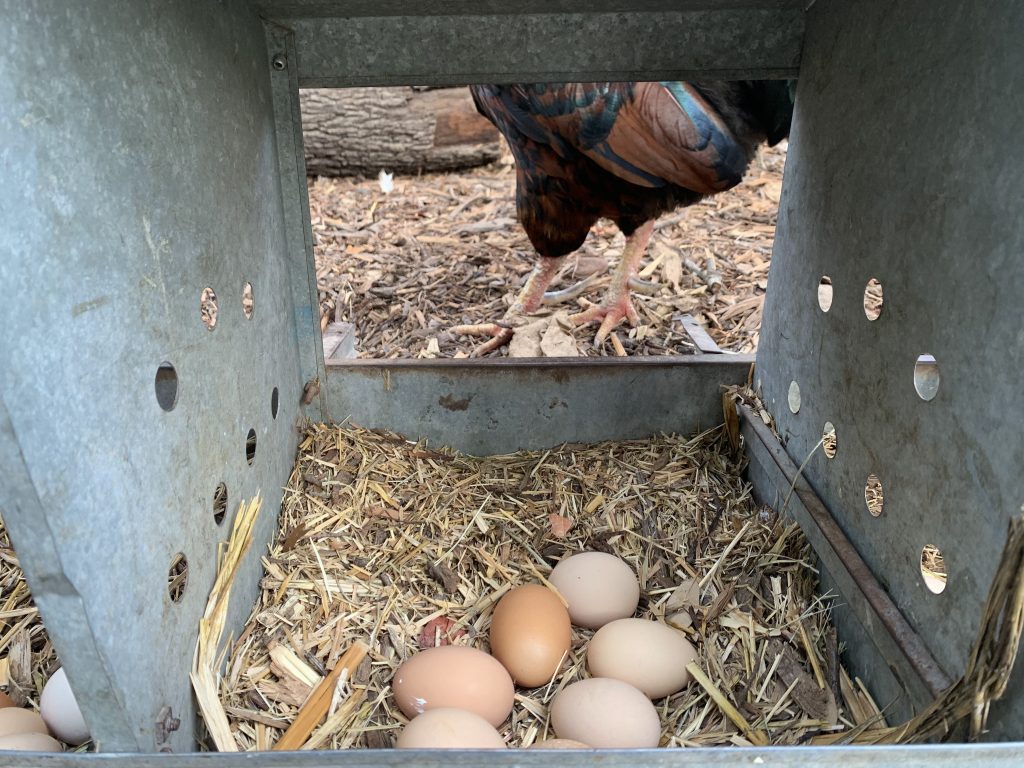
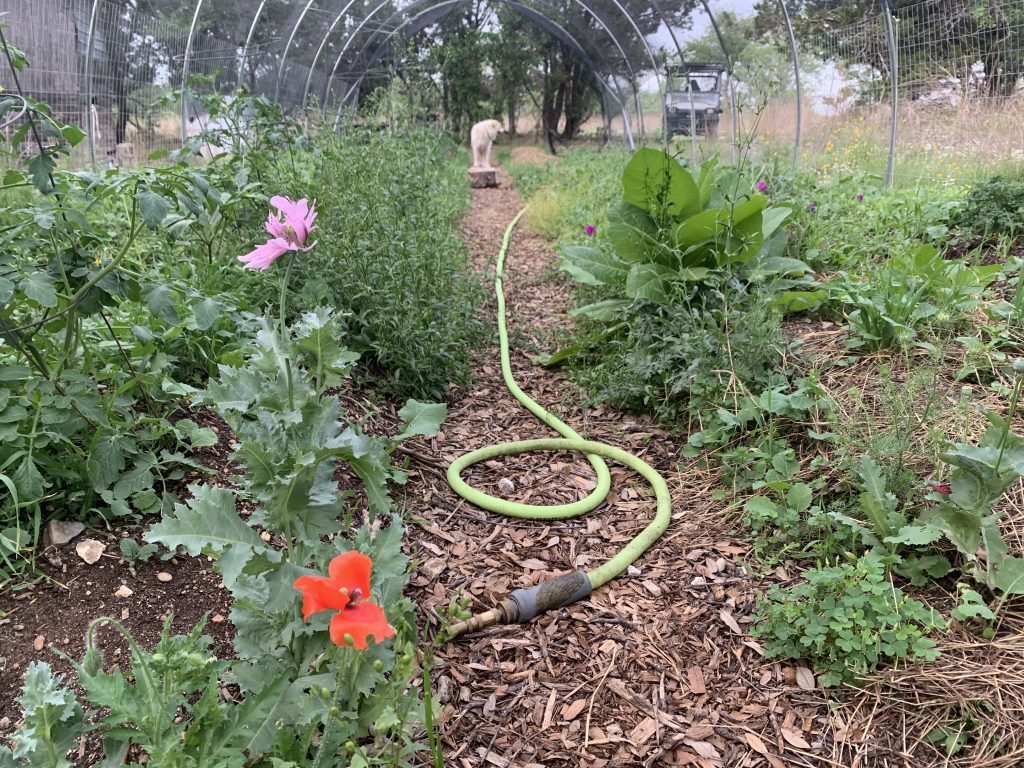
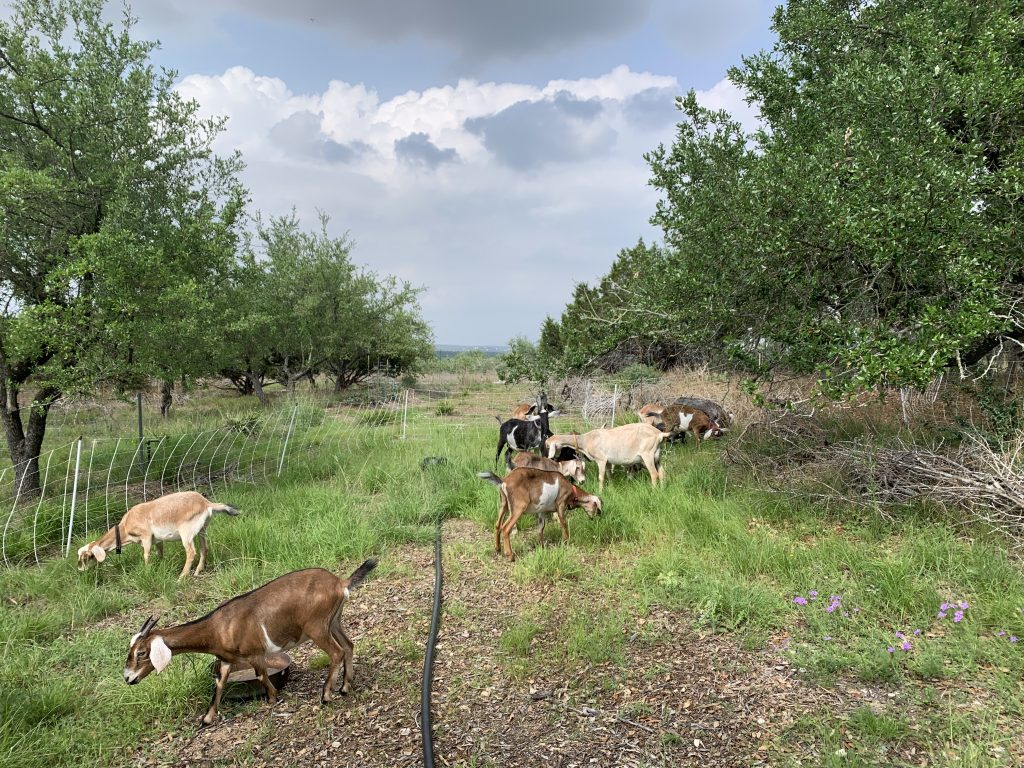
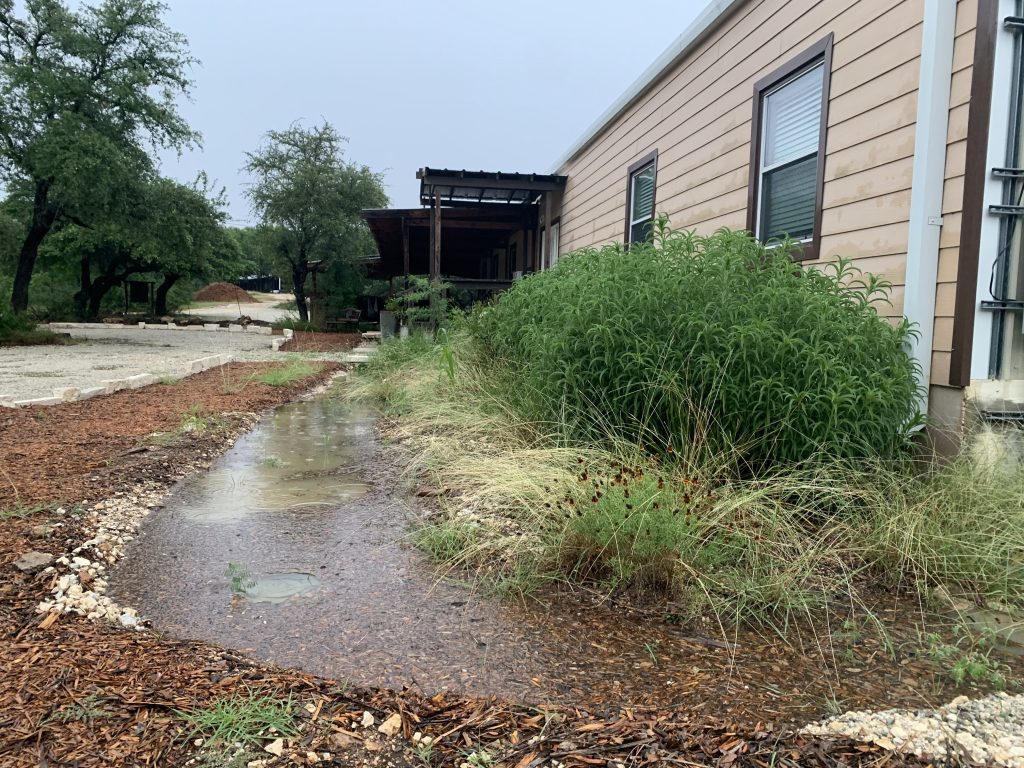
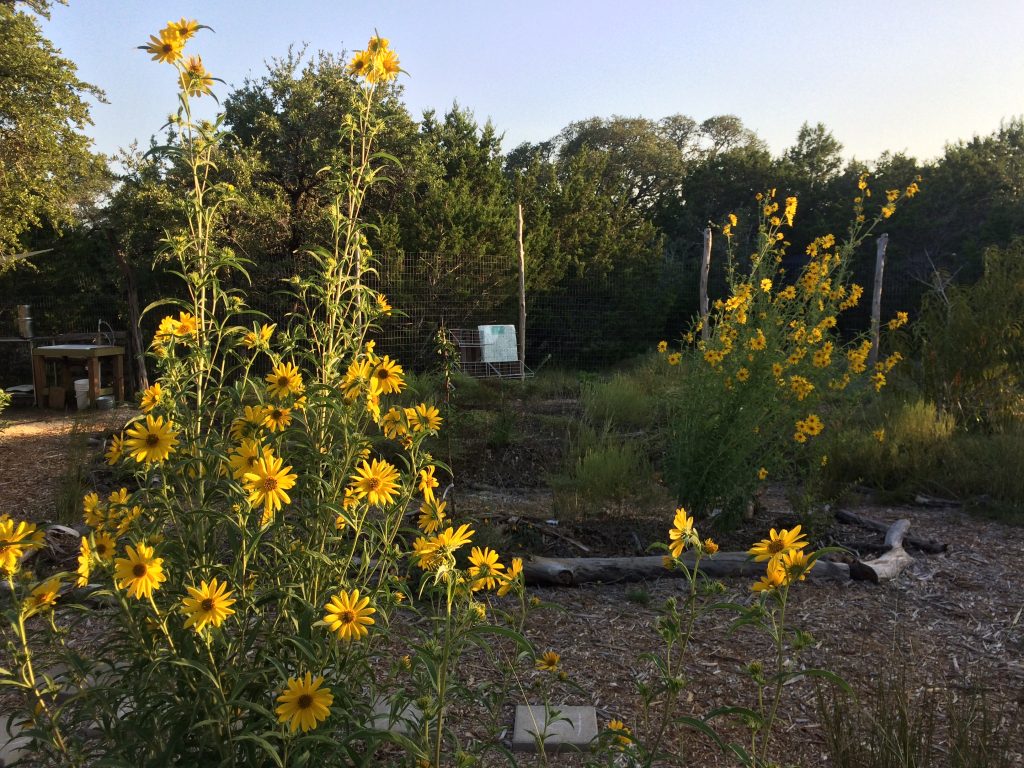
The property features integrated systems with milking and meat goats, chickens for eggs and meat, bees, trees, flowers and veggies. At our working family homestead, we are positioned at the top of a large limestone hill with heavily eroded soils we are regenerating. We capture rainwater for garden use, and have implemented many swales (ditches on contour), and brush berms. We planted a food forest, and delight in it’s growth and abundance every year. Our once small garden has turned into an expansive operation where we make our own soil on site through a deep bedding method with our milking goats and chickens, when they are not rotating through the land.







Facilitators
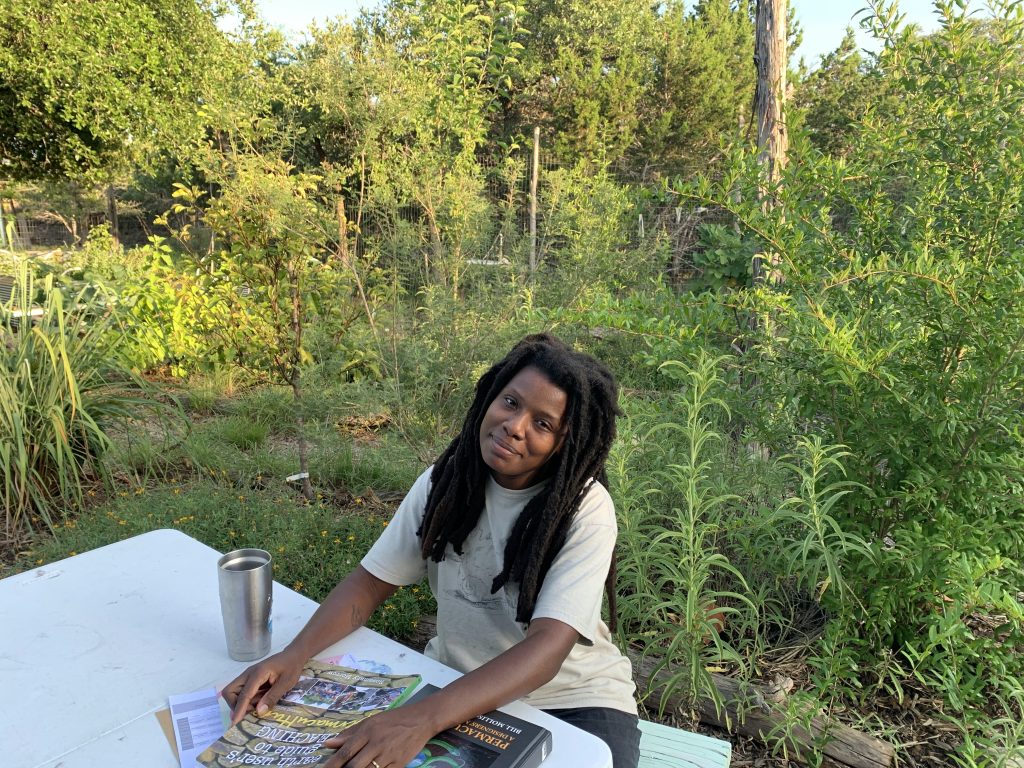
This course is being led by Ashley Stephens-Turner and Mark Turner, of Lotus Ranch Retreat Center, along with many expert guest teachers. After becoming interested in organic farming and regenerative homesteading in 2009, Ashley studied horticulture and agriculture in college. Ashley started a children’s gardening program in 2014 ” The Childrens Garden and Outdoor Classroom” teaching families, homeschoolers, and in private and public schools for ten years. In 2016, Ashley completed a Permaculture design course with the Austin Permaculture Guild and later Permaculture Teacher Training, also through APG. With a background as a professional photographer, trained as a photojournalist and short documentary film-maker, Mark Turner completed his Permaculture design course in 2014, under the instruction of Michael Gonella at Santa Barbara City College and Quail Springs. Mark worked part-time as a professional organic gardener before moving back to Texas. Mark and Ashley now run Lotus Ranch a retreat center, founded by Mark’s late father, in 2008. Mark and Ashley have been working for 8 years to establish a family Permaculture homestead, to complement the retreat center and steward the land. They’re both passionate about land regeneration and natural living.
Guest Teachers
Rianna Alvarado
Owner – Artphoria, Waco, Tx
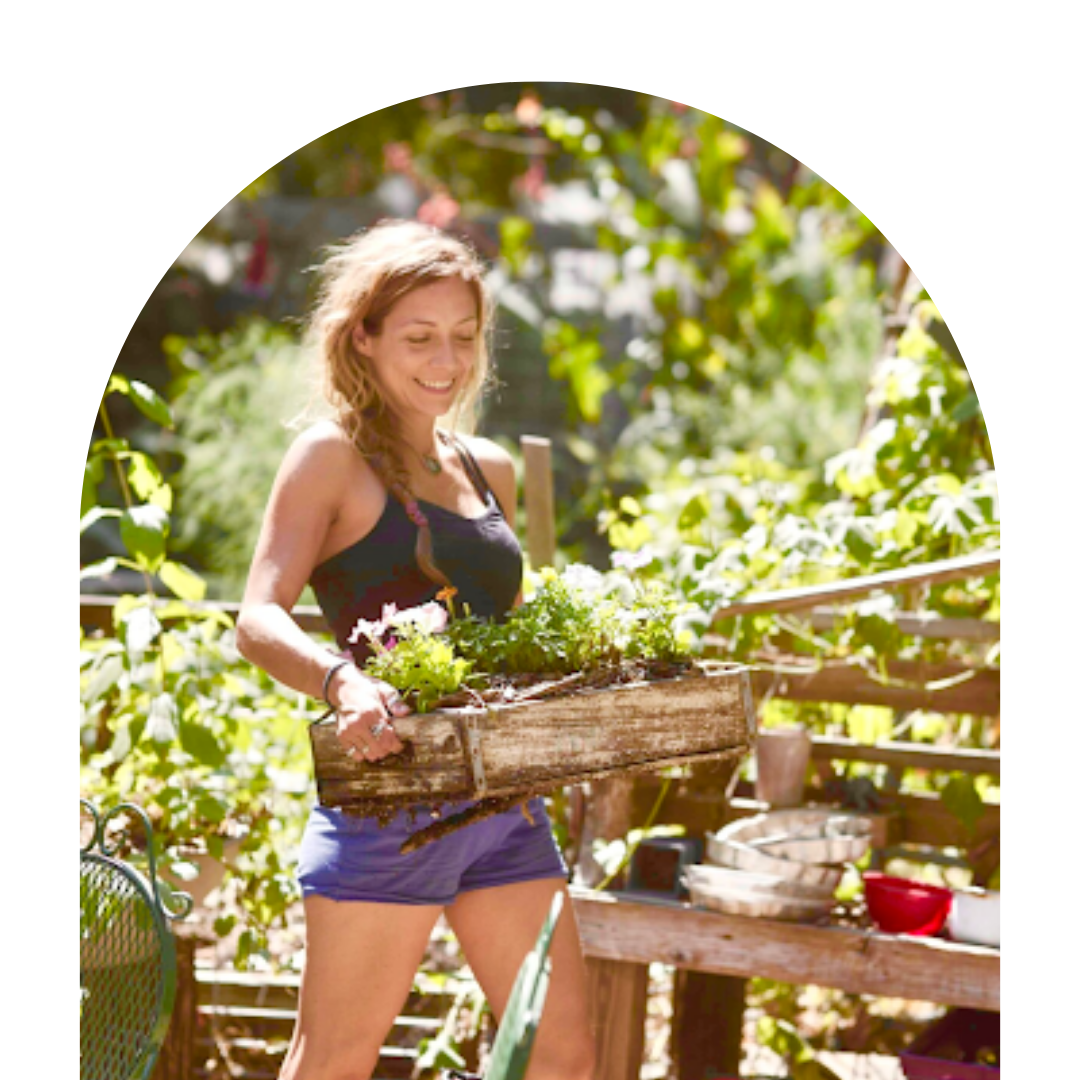
Rianna Alvarado is a Waco-based garden designer and educator shaped by permaculture philosophy and a deep commitment to living soil. A Master Gardener since 2012, she weaves regenerative practices into kitchen gardens, native landscapes, and community-based learning.
She approaches permaculture as an evolving practice — one rooted in observation, humility, and relationship with the land.
In addition to design work, Rianna develops courses and gatherings centered around the “garden lifestyle”, helping families reconnect with seasonal rhythms, growing food, and the quiet intelligence of the land. She believes permaculture is not just a design system, but a way of seeing and participating in the living world.
Website: https://warmhoneytoast.com/garden-design-details
Instagram: @warmhoneytoast

Jenna Jasso
Permaculture Designer and Educator/ Project Manager
Owner at Tierra Sagrada // Austin, TX
Jenna has a BA in Mechanical Engineering from UT Austin, and she found her inspiration when she discovered permaculture in 2011.
She helped initiate a global front yard garden movement known as Food is Free. She completed a Permaculture Design Certification from Austin Permaculture Guild in 2016
Jenna is a co-founder and community coordinator at Festival Beach Food Forest, the first food forest on city parkland in Texas. At Tierra Sagrada, Jenna integrates her engineering/design background with the language of the natural world to bring regenerative design into city culture and landscapes whenever possible.
Website: https://www.tierra-sagrada.com/
Instagram: @tierrasagradatx

Robert Leal
Permaculture Designer and Educator/Builder/Land Steward
Owner at Tierra Sagrada // Austin, TX
Robert holds a Permaculture Certification from the Sonoran Permaculture Guild. He is the founder and lead facilitator of the El Paso Permaculture Group and La union Eco-Spirit Center. While living in the high desert borderlands of Texas, New Mexico, and Mexico Robert led Permaculture Design Courses, trainings, workshops, consulting, designings, and building. Now in Austin he continues his regenerative work
on private and public landscapes with Tierra Sagrada and Sun Kings. He is also a lead steward and educator at Festival Beach Food Forest in downtown Austin.
Website: https://www.tierra-sagrada.com/
Instagram: @tierrasagradatx

Taelor Monroe
OWNER, CO-DIRECTOR-Austin Permaulture Guild
Founder, Cosmos Ranch Foundation, Del Valle TX
Taelor initially got into permaculture in 2011. In 2014, Taelor earned her permaculture teacher training certificate from Theron Beaudreau. She started doing publicity for and eventually co-running the Austin Permaculture Guild, a business that promotes permaculture design courses. Taelor has helped lead hundreds of students through the permaculture design course over the years. Taelor also helped initiate Central Texas’ Permablitz events with Kirby Fry in 2013. organizing and planning monthly events to install permaculture landscapes all over Central Texas with volunteers. Taelor lived on site at the Whole Life Learning Center, studying under master permaculturist Caroline Riley. Together they co-designed the transformation of the property into the flourishing food forest it is today. To date, as a designer Taelor has helped hundreds of clients with assessments, digital designs, and installs of food forests, veggie gardens, rainwater catchment and more.. Taelor has recently founded Cosmos Ranch, a regenerative venue and spiritual community space, just outside Austin.
Taelor’s work in the world is generating empowered healthy people, thriving communities, and beautified regenerative spaces in her wake.
Adam Russell
Project Manager At Symbiosis Design
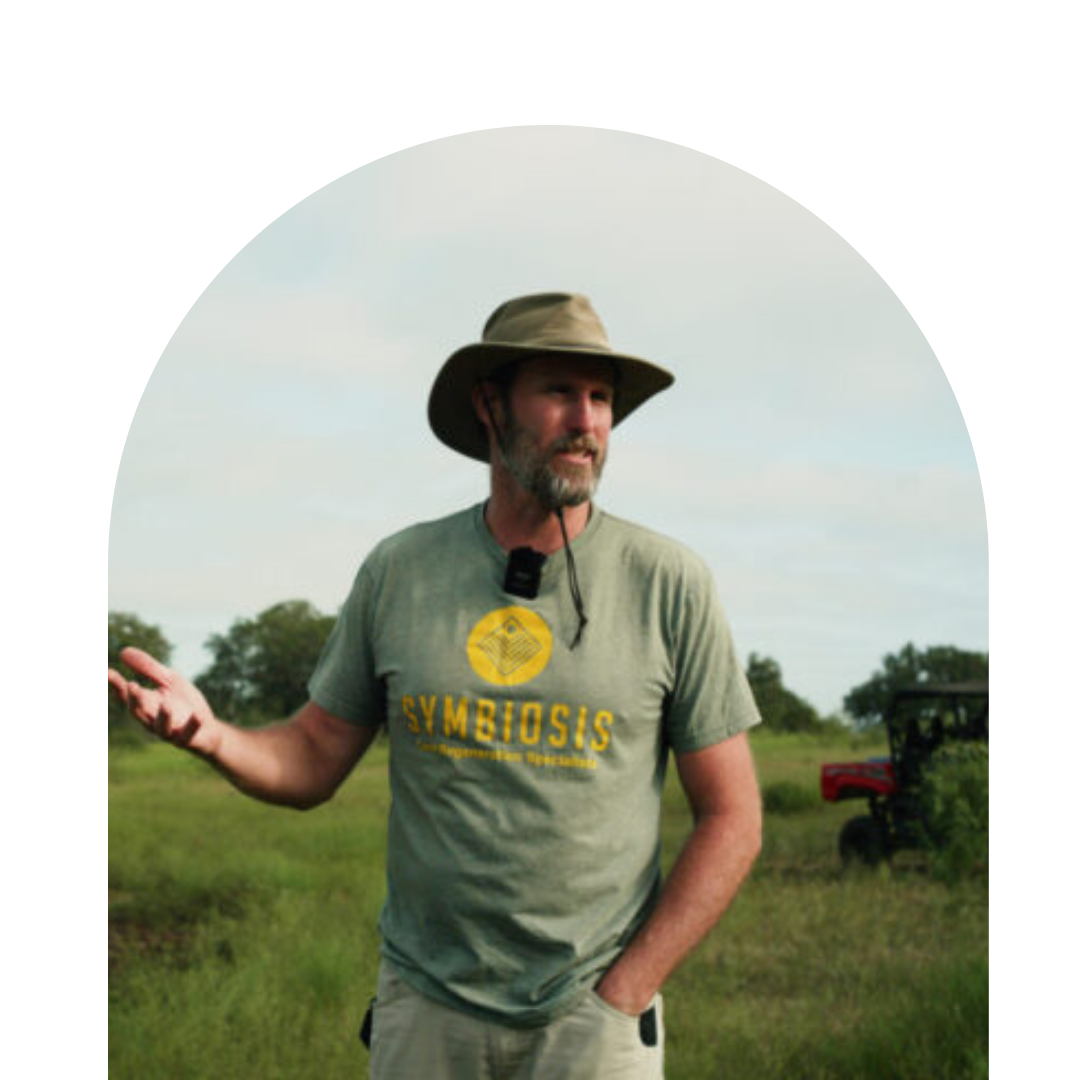
Adam Russell is an ecologist, explorer, and educator. For a decade he was an educator for Remote Medical International where he has worked with human and land health in remote locations around the world since 2006. He has worked to regenerate land with the use of the Holistic Management framework, Regrarians platform, Permaculture, earthworks, biodynamics, pyramids, and Homa farming practices which include biofertilizers and agnihotra. He seeks to build a knowledge base of how we can work to release the potential from under-utilized lands. Adam’s current projects include broadscale soil and atmospheric regeneration and the spread of available solutions through his work with Symbiosis.
Website: https://www.symbiosistx.com
Instagram: @symbiosis.tx

Justin Grunow
Project Manager At Symbiosis Design
Justin Grunow is a permaculture enthusiast who has been actively involved in regenerative design, installation and education for several years throughout central Texas. He was originally drawn to permaculture because it is a solution-oriented approach to the ecological problems facing our world today, in an ethical and creative way. At the beginning of his journey, he traveled to Lost Valley Education Center in Eugene, Oregon to take the Permaculture Design Course and participate in an intensive internship, giving him a crash course in gardening, natural building and cooperative community. From there, he returned home to Austin to serve as a caretaker at The Whole Life Learning Center, where he had the opportunity to teach children what he had learned and continue to practice his skills. He then progressed to manage a large ranch, work with many types of plants and animals, and learn the ins and outs of the infrastructure that enables truly abundant systems. He is a project manager for Symbiosis and you can find him bringing our designs to life and helping our clients learn how to be better stewards.
Website: https://www.symbiosistx.com
Instagram: @symbiosis.tx
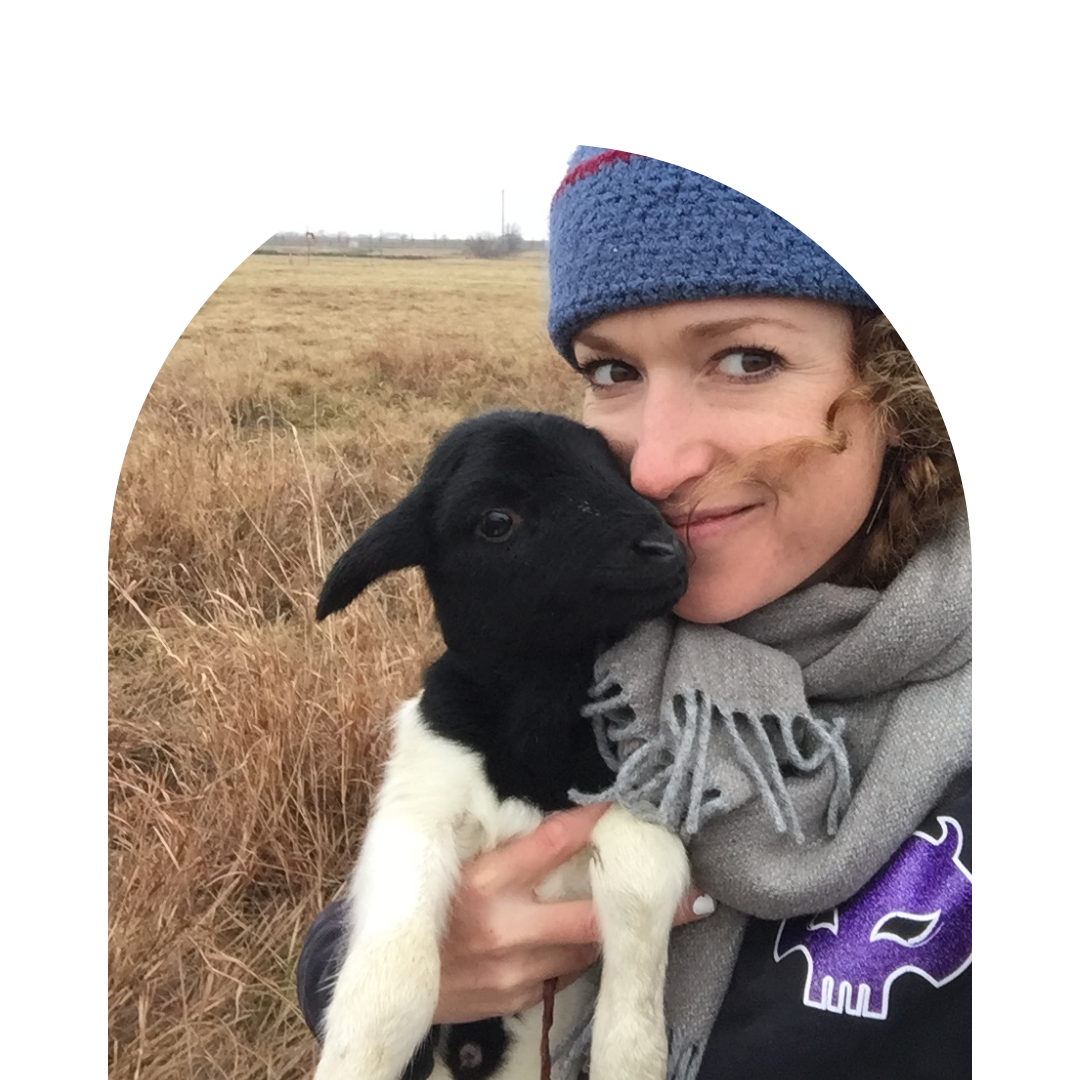
Ellen H. Beaman
Adjunct Professor At Austin Community College
Owner at Earth Mama Crafts // Austin TX
Ellen began her agricultural career on an organic vegetable farm in Buda, TX in 2001, which inspired her to pursue an education in ag. She received her BS in Agronomy from Texas Tech University and has continued to manage and consult organic farms in Central Texas. Ellen has taught Sustainable Agriculture and Landscape Horticulture for many years as an Adjunct Professor at Austin Community College. Ellen founded Earth Mama Crafts
to offer hands-on, nature-inspired workshops focusing on creating, including handmade herbal skincare, and botanical products.
Website: https://www.EarthMamaCrafts.com
Instagram: @earthmamacrafts
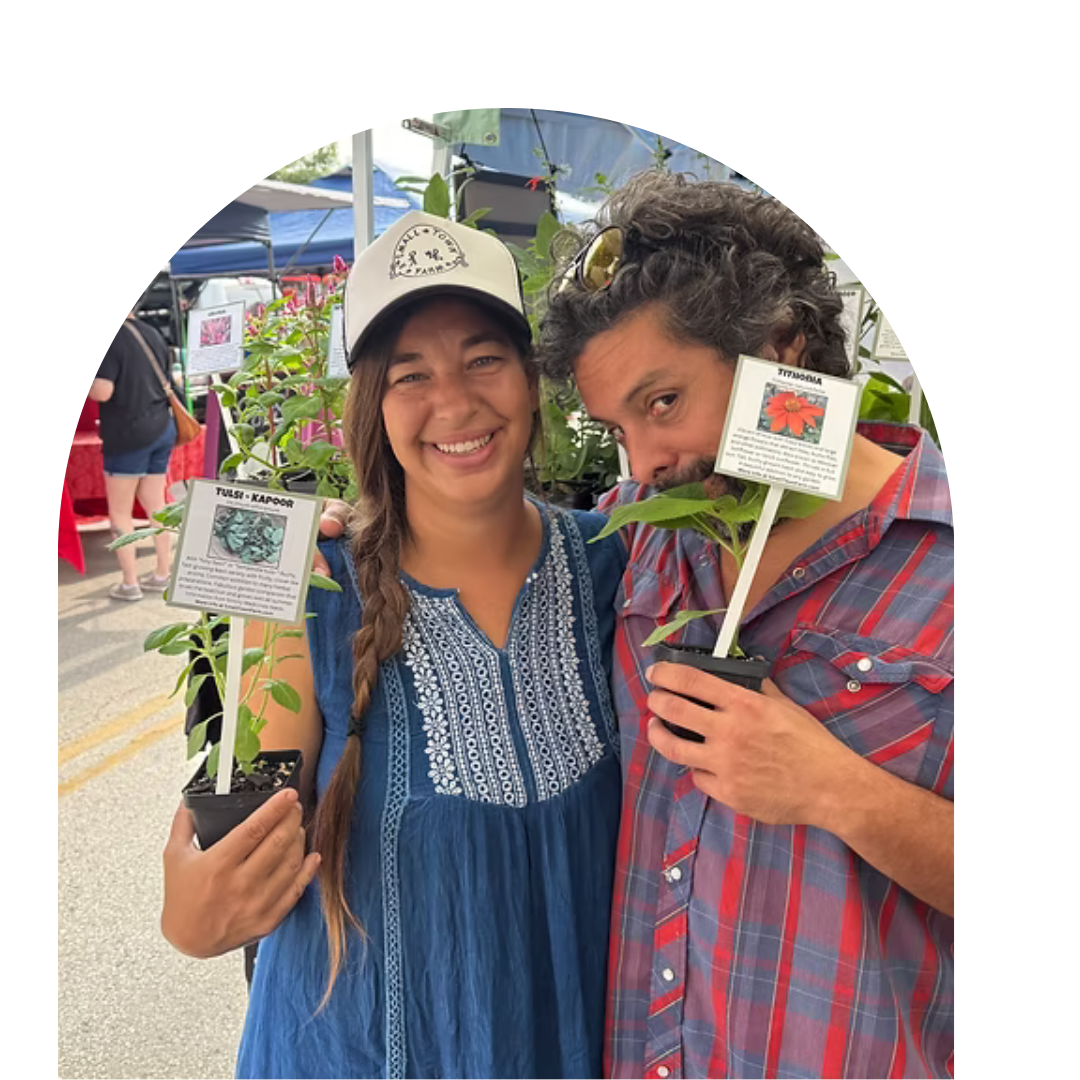
Cristen Andrews
Small Town Farm // Martindale, Tx
Cristen, of Small Town Farm a one-acre wildlife habitat, botanical sanctuary, and plant nursery in Central Texas Run with her Partner Miguel. Cristen studied photojournalism at the University of Texas at Austin, earned her Permaculture Design Certificate through the Austin Permaculture Guild, and studied community herbalism at the Wildflower School of Botanical Medicine. She never tires of talking about the natural world, and continues to learn from various mentors, conferences, books, hands-on experience, and the plants themselves. They garden year-round, tucking in layers of plants each season, documenting the many creatures who inhabit the space, and sharing what they learn along the way as part of their mission to make organic gardening and homegrown wellness accessible to all. They grow a wide variety of culinary and medicinal plants that thrive in Central Texas.
Website: https://www.smalltownfarm.com/
Instagram: @smalltownfarmtx
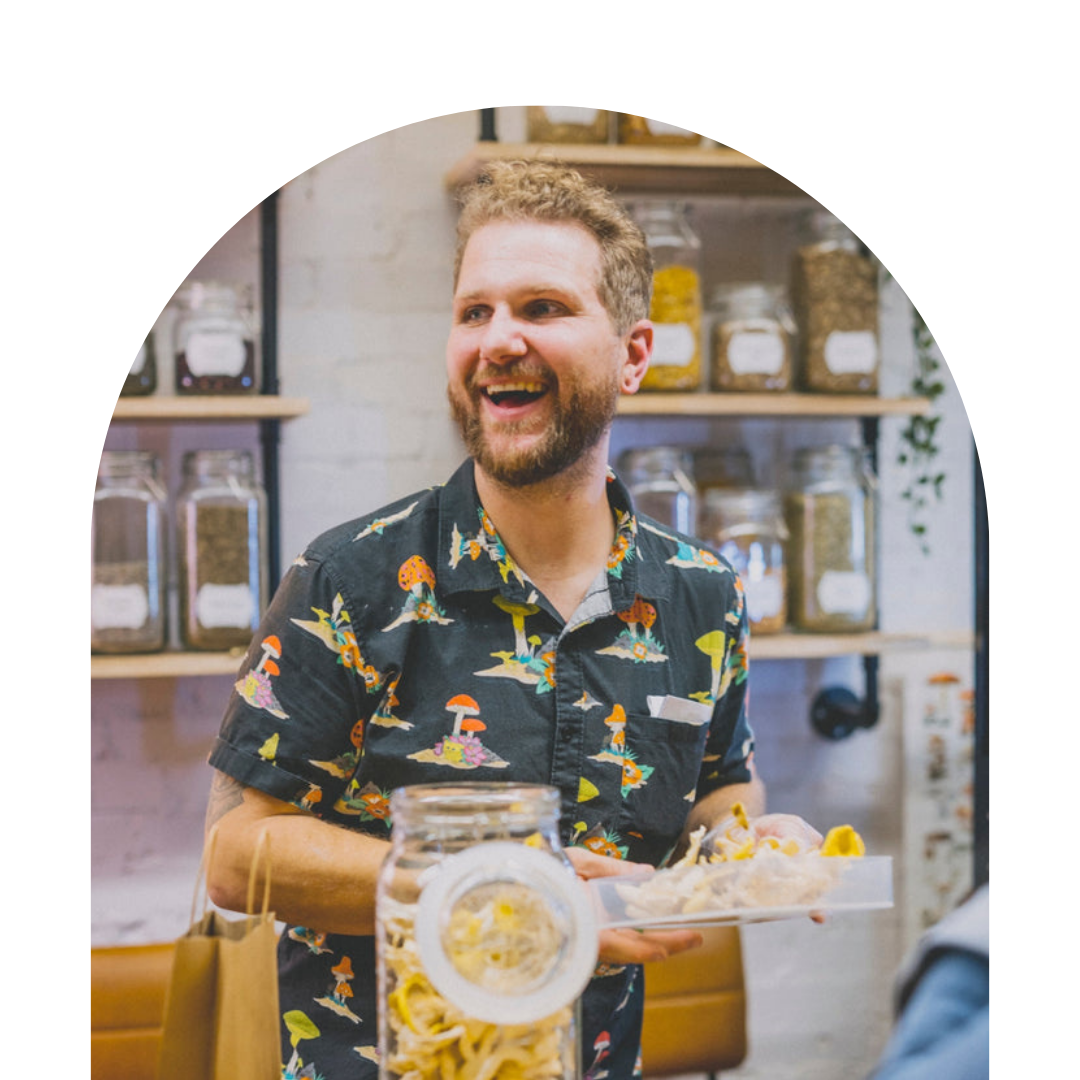
Garrett Shovan
Lead Cultivator + General Manager at Mushroom Street Farms // Dallas, TX
Mushroom Street Farms’ General Manager and lead cultivator, Garrett Shovan brings his extensive knowledge and passion for mycology to every workshop. With years of hands-on experience developing sustainable cultivation methods, Garrett has mastered the art and science of growing gourmet mushrooms in urban environments.
Garrett’s approach combines traditional farming wisdom with innovative techniques, creating accessible methods for everyone from home gardeners to aspiring commercial growers. His enthusiasm for sharing the wonders of fungi has helped students successfully grow their own mushrooms.
In his workshops at Mushroom Street Farms, Garrett breaks down complex mycological concepts into practical, easy-to-follow steps that empower participants to continue their cultivation journey with confidence. His patient teaching style and wealth of troubleshooting tips ensure that everyone leaves with the skills needed for mushroom growing success.
Website: https://lgetx.org/grow-with-us
Instagram: @learning_gardens/

Susie Stillwater
Co-founder of Texas Permaculture Expo, Master Naturalist
President of The Learning Garden // Athens, TX
Susie Stillwell is an experienced educator with over 15 years of leadership in children’s education. As a certified Texas Master Naturalist, she brings a deep understanding of environmental education and a passion for connecting people to the natural world. Susie was formerly a public elementary school teacher and served as a Peace Corps Volunteer in Samoa, where she worked as an English Literacy Specialist. She currently provides tutoring in reading, writing, and math through her education company, Stillwell Learning, and serves as President of The Learning Gardens, a nonprofit based in Athens, Texas. Through The Learning Gardens and her work at the East Texas Arboretum, Susie leads outdoor education programs that encourage curiosity, stewardship, and hands-on learning in nature.
Website: https://lgetx.org/grow-with-us
Instagram: @learning_gardens/
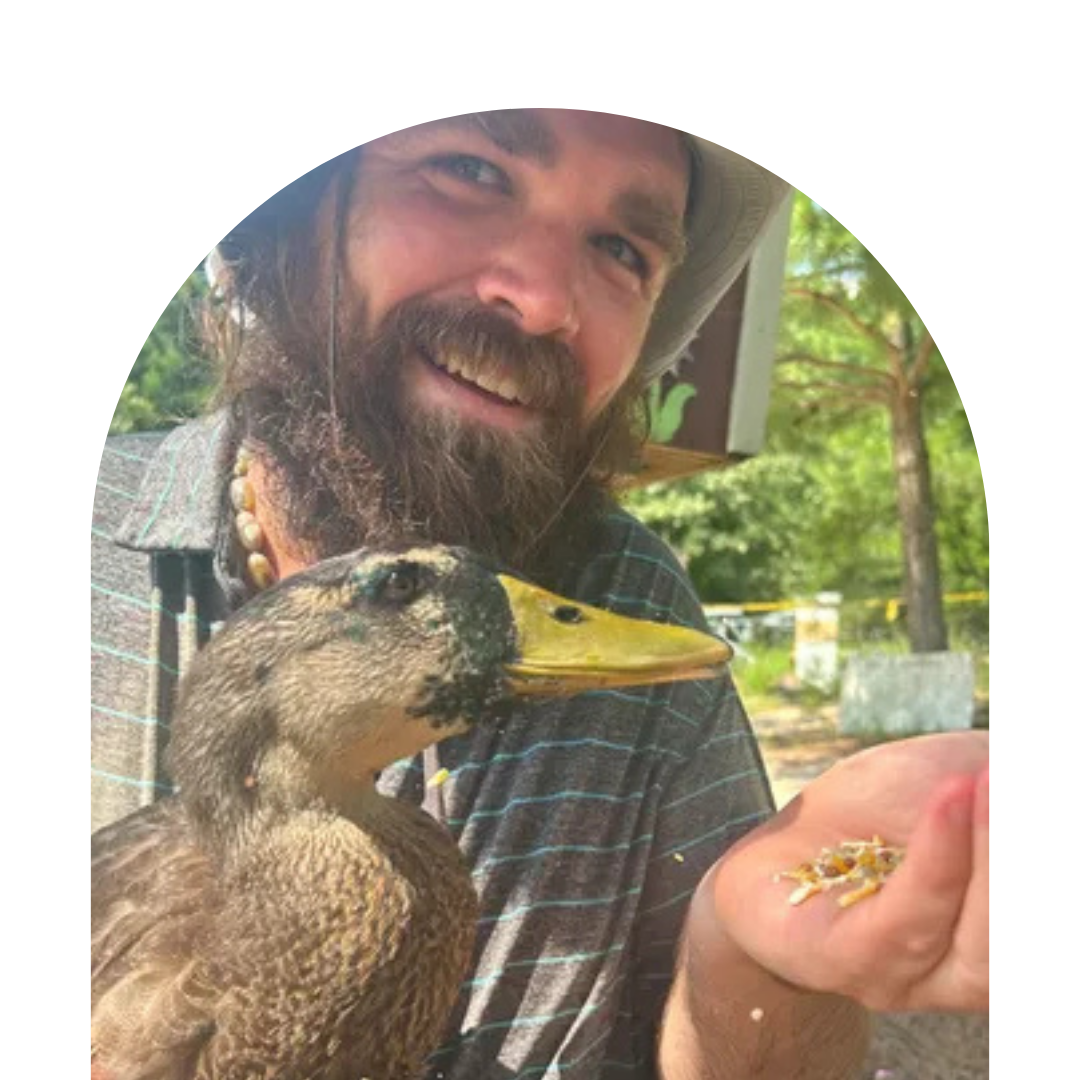
Austin Walsh
Permaculture Educator/Farmer/Land Steward
Texas Permaculture Expo + the Learning Gardens // Athens, TX
Austin Walsh is a farmer and dedicated land steward at the Learning Gardens. His journey began with years spent living on the road, visiting and immersing himself in farms and intentional communities across the country. During this time, Austin developed a deep respect for the natural world and honed his skills under the guidance of experienced farmers and land stewards.
In 2021, he arrived on the land that would soon become the Learning Gardens. Guided by nature and rooted in permaculture principles, Austin has played a key role in shaping the farm’s structure and vision. In addition to his daily work cultivating the land, he serves as Secretary of the Learning Gardens Board of Directors. Austin is grateful to be living his dream—creating a space where community can gather, learn, and strengthen our collective connection to the natural world.
Website: https://lgetx.org/grow-with-us
Instagram: @learning_gardens/


Comfortable Lodging and Classroom
Learning Space
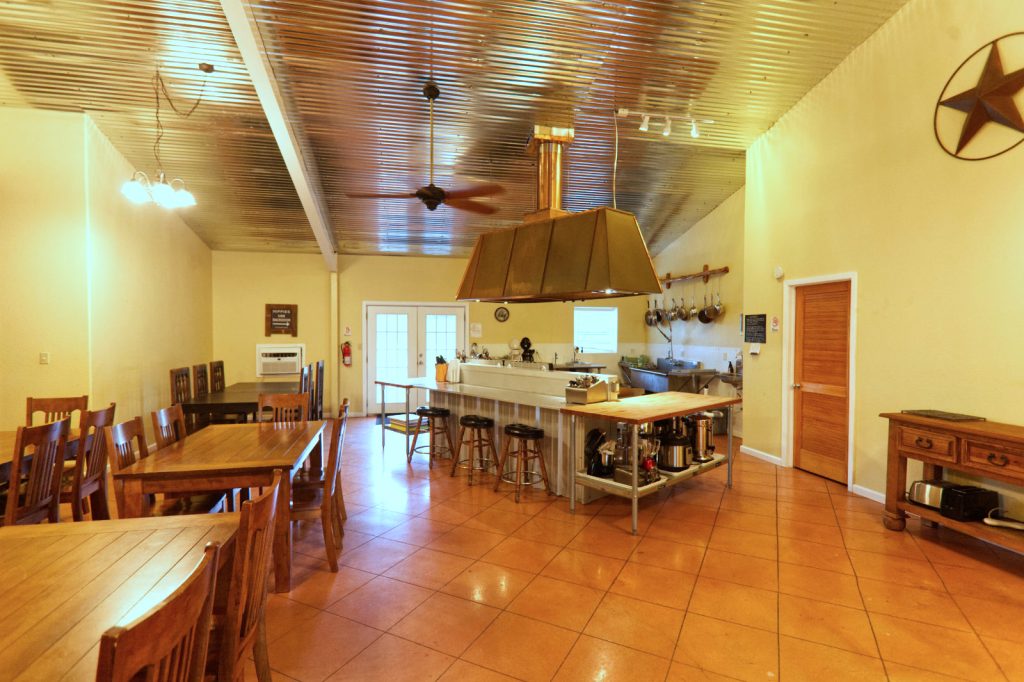
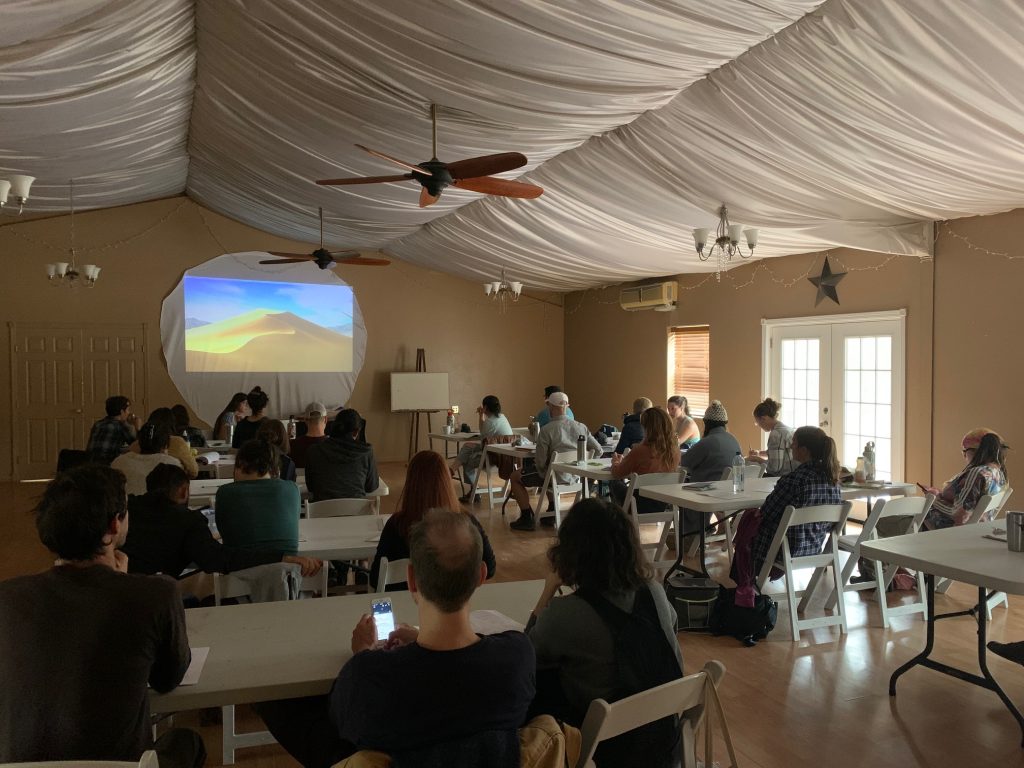
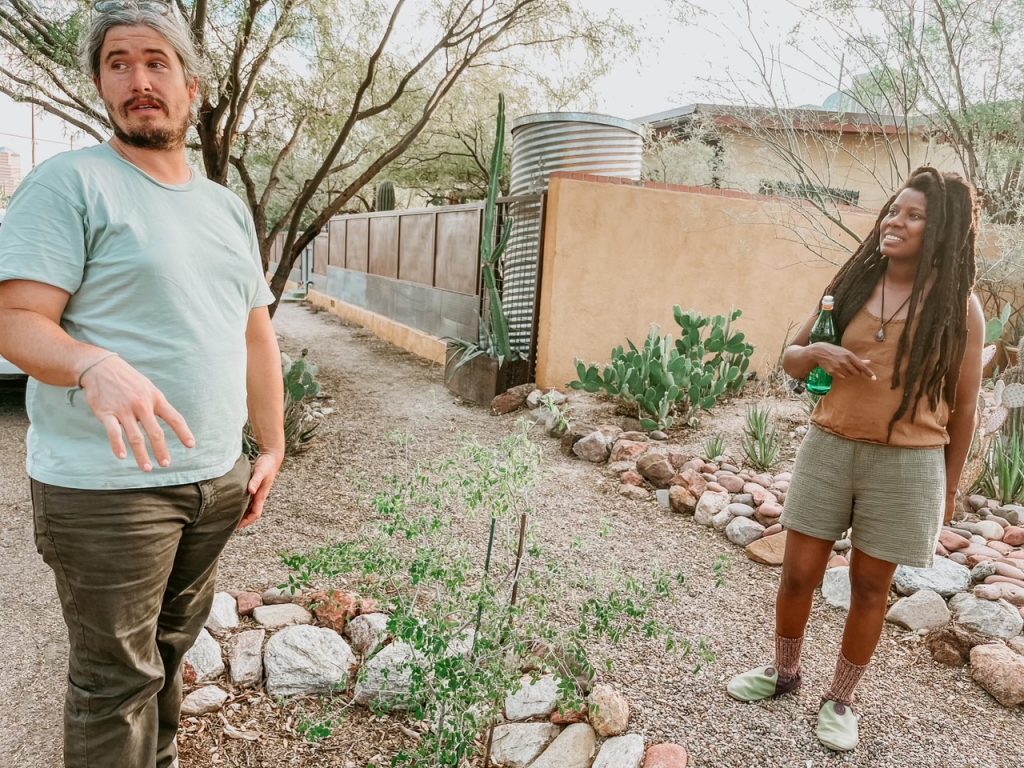
Learning spaces include our comfortable indoor classroom, our covered outdoor classroom, gardens, hoop houses, barns, and land. This course will include classroom instruction both lecture and variety of teaching and learning styles, hands on experience, demonstration, and several expert guest teachers. Classroom time will allow for breaks, with refreshments and bathrooms available at all times. This is a participator course asking for engagement and input from all participants.
Lodging Options
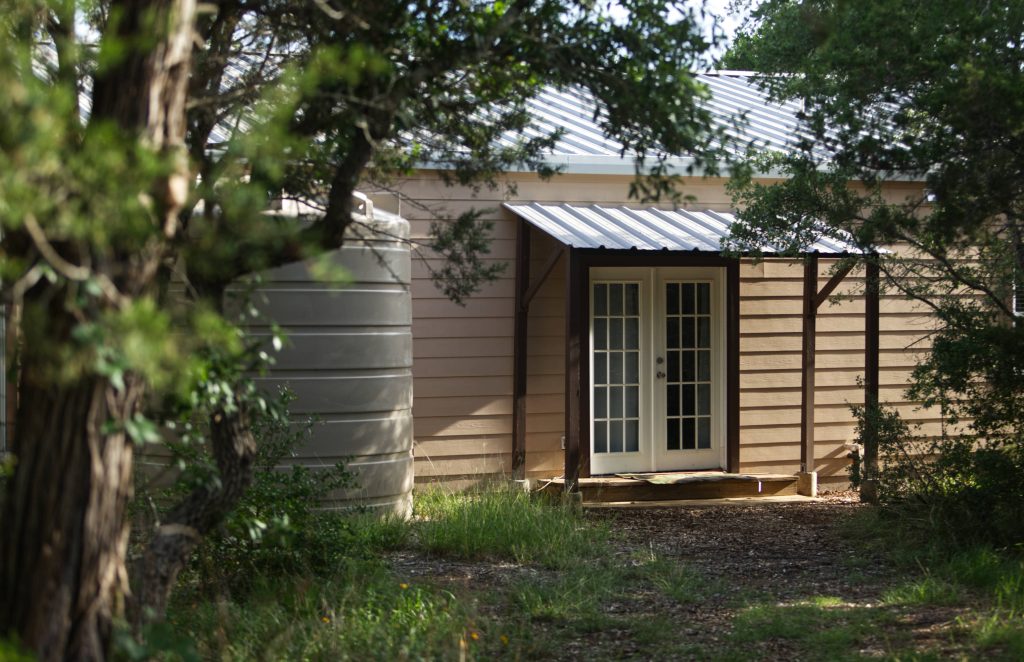
Indoor: Students will stay in the Lotus Ranch Lodge, a comfortable 9 bedroom facility, with central dinning room and bathrooms. Each student will have a roommate for the community experience. You may request a roommate if attending with friends or family.
Outdoor: Primitive Camping sites are available located close to the the lodge with access to indoor restrooms and showers. Along with our eco restroom and outdoor shower. Campers are responsible for bringing all of the needed camping gear.
RV/Van Spots: We have space for RV and camper vans to park on site. There regular electric hook up and no waste water hookups. Holding and disposing of black water is the guest responsibility.
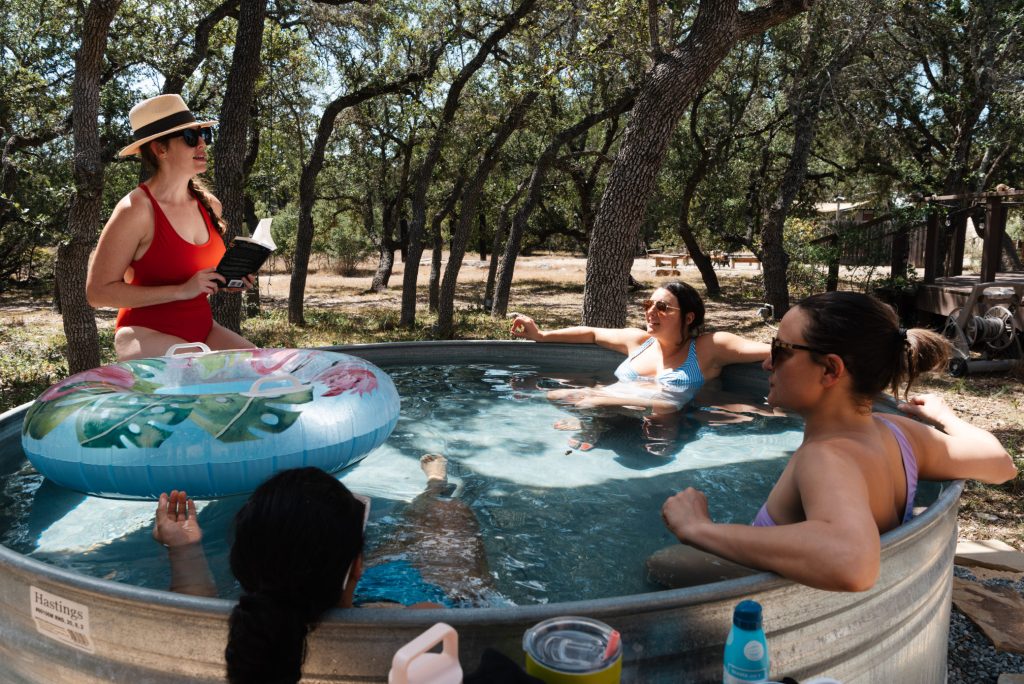
Amenities: Lotus Ranch features over 2 miles of wooded hiking trails, fire pits, labyrinth, on-site spa-deck with cedar barrel hot tub, cold plunge and sauna, and community vibes around the cowboy pool. On our off day students can add to their unique experience with a relaxing swim at The Blue Hole or hike at Jacobs Well, just a few miles from Lotus Ranch.
Deeply Nourishing Farm Fresh Foods
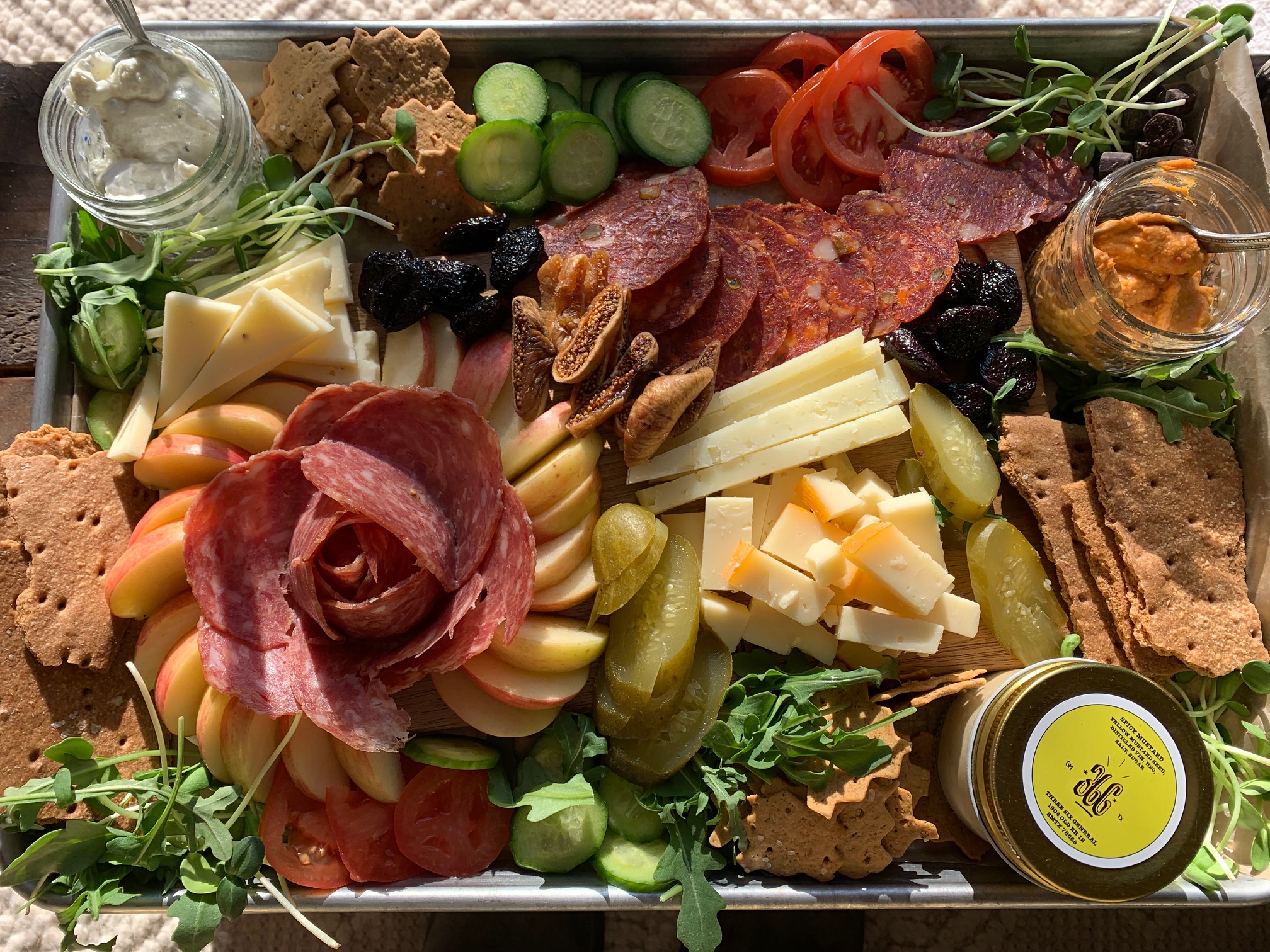
Delicious nourishing organic farm to table meals will be prepared for students by an onsite retreat chef featuring local veggies, meats, fruits, eggs, and more.
Breakfast, Lunch, and Dinner along with Coffee, Tea and Snacks are included on all class and field trip days. Meals include paleo, gluten free, vegetarian/vegan and options. Please note any other food needs or allergies in registration.
Course Tuition
June 7th – 20th, 2026
Full Course Tuition + Organic Meals + optional Daily Yoga
$1500
Two weeks of participation and certification upon completion. Additional lodging is strongly suggested for integration and full experience, we will allow neighboring participants to go back and forth from the ranch to sleep, but would not suggest it for Austin or San Antonio residents.
Deposit – $350
Deposit is transferable but non-refundable. Deposit is applied to the balance and your spot saved, Balance will be billed to you and due 30 days before the course.
Scholarship
**Two work-trade opportunities are available for the course. Please email info@lotusranch.org to apply.**
Accommodations:
+Indoor Lodge – $850
- 13 Nights of accommodation in our clean and cozy retreat lodge. Twin bed in shared room. Includes bedding and towels. Indoor restrooms/laundry room. Includes cedar barrel hot tub, sauna, and cold plunge. (Room can be shared with roommate(s) of choice or best match based on preferences. Private room available for +$400, limited availability. )
+Camping & RV space – $390
- 13 Nights Primitive camping spot. Outdoor and Indoor restrooms/laundry room. Includes cedar barrel hot tub, sauna, and cold plunge.
This is an residential intensive course, participants are encouraged to stay on site to get the full experience of living and learning in a community.
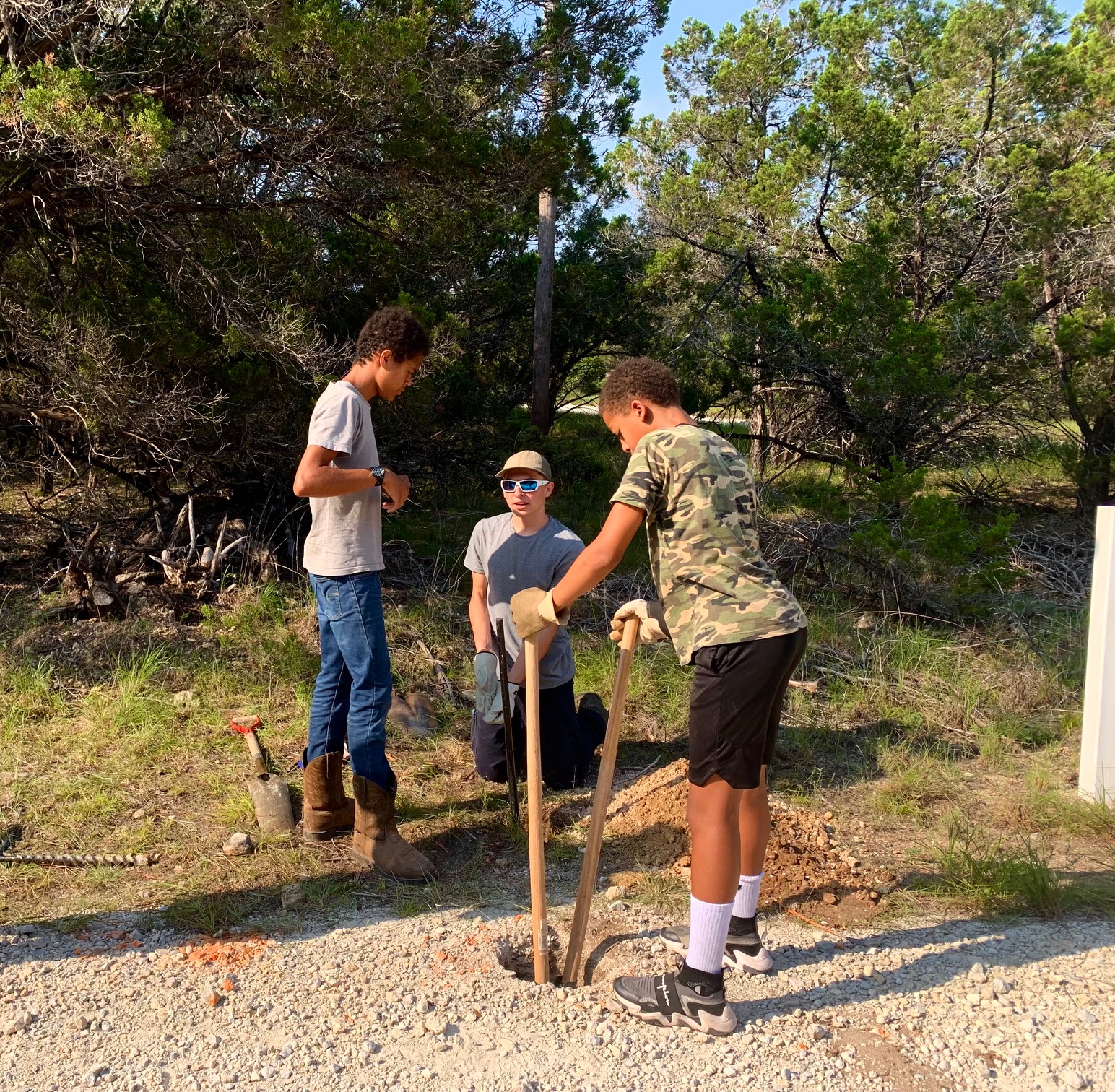
Permaculture Design Certificate Course for Young Adults
Wednesdays for 12 weeks
Sept. 23rd – Dec. 9th 2026
Tuition:$1,000
Deposit: $350
This Permaculture Design Certificate Course covers the same in depth material as our residential PDC but is designed for youth and young adults 15-20yrs old. Equipping them with the skills to design regenerative, sustainable and abundant systems for people, land, animals, and the planet. This course is a great launch pad for a career in permaculture, regenerative agriculture, homesteading, garden and landscape design, eco living or to further young adults interest and understanding. This course does not include overnight stays or meals but will include heavy snacks teas and drinks. This course is limited to 10 participants.